Burglary Safe vs. Fire Safe: What’s the Difference?

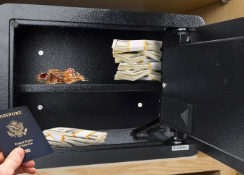
A homeowner stores thousands of dollars in cash inside a fire-resistant box, only to find it pried open by a burglar in under two minutes. Conversely, storing irreplaceable legal documents inside a single-layer steel anti-theft safe could see them incinerated in a house fire. The engineering that makes a safe resistant to one threat actively works against the other.
This guide breaks down the critical differences between burglary safes and fire safes, and helps you decide which solution is right for your home or business across Lebanon and the MENA region.
1. The Fundamental Divide
Strip everything back and the distinction is elemental: a burglary safe is designed to keep people out; a fire safe is designed to keep heat out. While this sounds simple, the engineering required to achieve each goal often works in direct opposition.
An effective anti-theft safe relies on heavy steel, complex locking mechanisms, and resistance to physical force. A fire safe, by contrast, relies on insulation, moisture content, and thermal breaks. Before choosing, ask yourself one honest question: What is my real risk?
Keeps Heat Out
Double-wall construction with water-bound composite releases steam under heat, holding interior temperature below the ignition point of paper.
Keeps People Out
Solid steel plate, hardplates, relockers, and multi-directional bolt work physically resist prying, drilling, and cutting tool attacks.
2. Anatomy of a Burglary Safe
When security professionals discuss a true anti-theft safe, they are referring to a container engineered to withstand aggressive physical attacks. These are not the lightweight tin boxes found at retail stores. They are formidable barriers built from solid steel.
Construction & Materials
The hallmark of a burglary safe is thick, solid steel plate throughout the body and door. Hardplates between the lock and door skin shatter drill bits on contact. Higher-end commercial safes add a concrete amalgamate infused with carbide nuggets that destroys cutting tools.
Weight & Anchoring
Theft is a crime of opportunity and speed. If a burglar cannot open the safe on-site, their next move is to carry it away and attack it at leisure. Security norms dictates that any safe must be bolted to a concrete floor and/or wall. ZOD’s professional installation team handles precisely this.
Advanced Locking Mechanisms
A true burglary safe employs active and passive relockers, spring-loaded bolts that engage permanently if the lock body is attacked, and multi-directional bolt work extending from the top, bottom, and side of the door to prevent “peeling”. Here is how the three main lock types compare:
Mechanical Dial
Electronic Keypad
Biometric
ZOD Insight: At ZOD Safe & Lock, our anti-theft safes are sourced and certified to international standards. Our team can guide you to the right construction grade based on your specific valuables, whether that’s cash, jewelry, gold, or precious metals.
3. The Science of a Fire Safe
A fire safe operates on an entirely different principle. If you placed documents inside a solid steel box and subjected it to a 1,200°F fire, the steel would conduct heat directly, turning the interior into an oven. Paper auto-ignites at around 451°F. The flames never need to touch your documents; the metal itself does the damage.
The Steam Concept
Most fire safes use a double-walled design. Between the outer and inner thin metal skins, manufacturers pour a fire-resistant composite, historically gypsum or a wet-pour slurry, that contains water molecules bound within its chemical structure. As external temperature rises, this moisture releases as steam, regulating the temperature through an evaporative barrier.
Important: No safe is truly “fireproof.” Every safe is fire resistant for a rated duration. Do not rely on a safe to survive a multi-day structural fire, rely on it to protect your contents for a certain period of time.
4. The Hybrid Solution: Fire & Anti-Theft Safes
For those who refuse to choose between fire protection and burglary resistance, and who have the budget to match- a UL-rated BF (Burglary/Fire) safe is the answer.
These safes combine technologies that normally oppose each other. A thick layer of high-density concrete amalgamate provides both thermal insulation and resistance to tool attacks. The door features at minimum a half-inch solid steel plate backed by composite material. An intumescent seal, which expands when heated, lines the door frame to block smoke while also creating a tighter seal against prying.
ZOD recommends a BF-rated safe as the definitive residential and commercial solution. It is the only category that mitigates both the criminal and the catastrophic.
5. Quick Comparison
Fire Safe Profile
- WallsThin steel encasing drywall or wet-pour composite
- WeightLight, easily moved by one or two people
- SealHeat-expanding intumescent seal around frame
- ProtectsAgainst house fires and accidental damage
- WeaknessEasily pried, cut, or drilled open
- Best ForPassports, deeds, wills, photo albums
Burglary Safe Profile
- WallsSolid steel or steel with high-psi concrete/carbide
- WeightExtremely heavy, requires professional install
- BoltsLarge, multi-directional active locking bolts
- ProtectsAgainst forced entry and tool attacks
- WeaknessContents may burn without fire cladding
- Best ForCash, gold, jewelry, precious metals
6. Common Misconceptions
No safe is truly fireproof, every safe is fire resistant for a rated duration. A Class 350 / 1-hour rating means the interior stays below 350°F for one hour of sustained external fire. Given enough time and intensity, any container will fail.
Weight alone prevents carry-off theft, but mass does not equal tool resistance. A safe packed with ordinary concrete might weigh 500 pounds yet be penetrated easily with a standard masonry drill bit. A true anti-theft safe uses hardened steel, hardplates, and carbide-resistant barriers, not bulk filler.
Modern UL Type 1 electronic locks are extremely secure. They offer duress modes that silently trigger an alarm when a code is entered under coercion, and audit trails that log every opening. When properly maintained, they are equal to or more reliable than traditional dial locks.
7. Which Safe Do You Need?
The right safe is determined by your primary threat, the nature of your valuables, and your budget. Here is a clear framework:
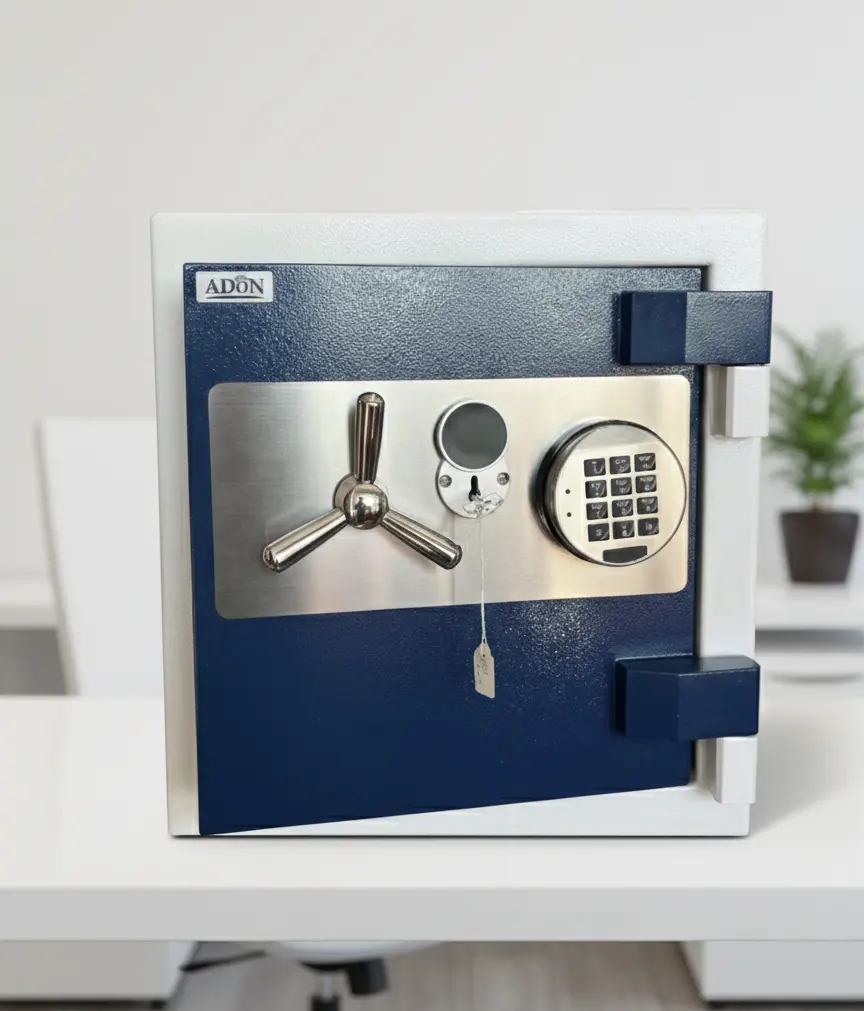
For cash, gold, jewelry, and precious metals. Invest in at minimum RSC for residential use, TL-15 or higher for commercial applications. Ensure professional anchoring.
For passports, wills, deeds, family photos, and irreplaceable legal papers. The statistical risk to these items is far more likely to come from a fire than a targeted burglary.
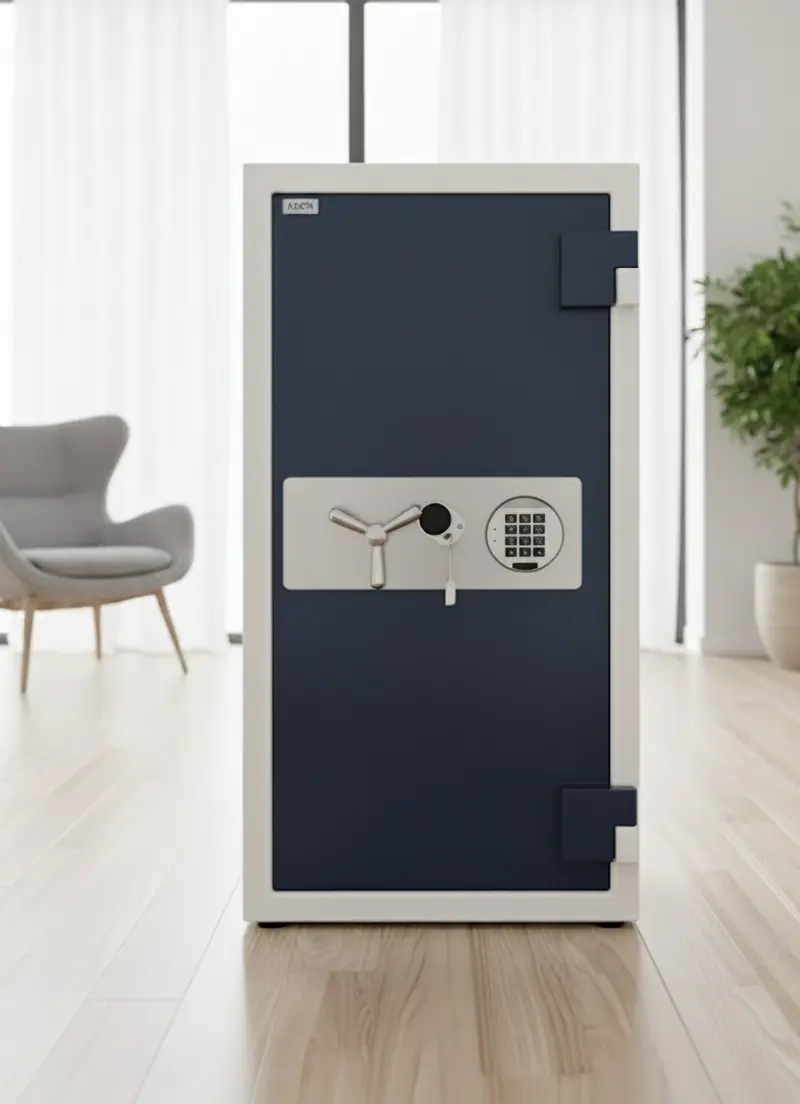
The premium, catch-all solution. ZOD’s security consultants can recommend the right model based on your space, budget, and specific risk profile.
Making the Right Choice for Your Security Needs
Since 1977, ZOD Safe & Lock has installed over 10,000 safes across Lebanon and the MENA region, for banks, jewelry retailers, hotels, corporate offices, government agencies, and private residences.
Choosing the right safe requires careful assessment of your specific threats, budget considerations, and accessibility requirements. By prioritizing the appropriate fire and burglary ratings for your particular assets and ensuring professional installation, you transform a simple metal container into a genuine security stronghold.