What Should and Shouldn’t Be Kept in Safe Boxes?
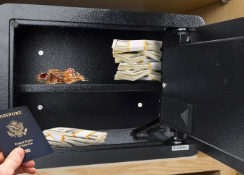
When disaster strikes, be it an unforeseen natural calamity, a sudden residential fire, or a targeted burglary, the thin line between a minor setback and a devastating, life-altering catastrophe often comes down to preparation. In the modern era of personal security, investing in high-quality safe boxes is no longer a luxury reserved solely for the ultra-wealthy; it is a fundamental necessity for every responsible household and business owner. However, simply purchasing a heavy steel container is only half the battle. The true test of your security strategy lies in knowing exactly what belongs inside it.
This comprehensive guide will explore the precise items that demand the ultimate protection of safe boxes, the items you must absolutely leave out, and expert, data-driven strategies for maximizing your home security infrastructure.
1. Why Investing in High-Quality Safe Boxes is Essential Today
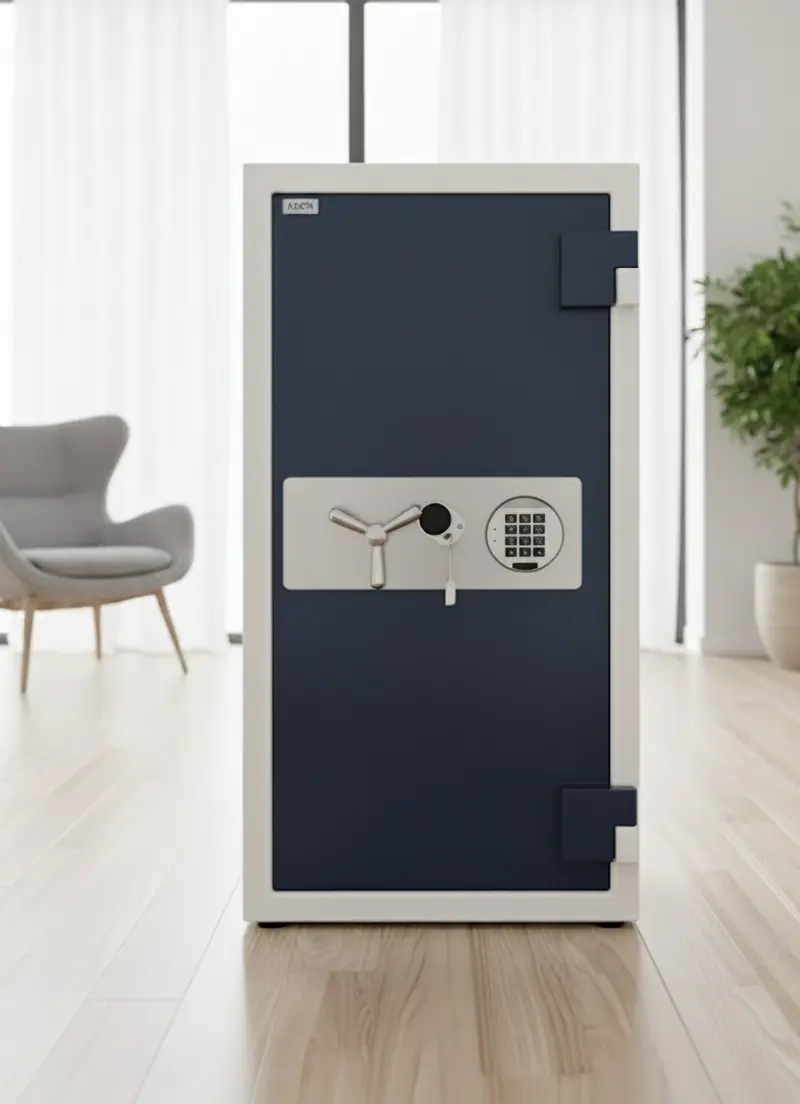
The statistics surrounding property loss are staggering and underscore the urgent need for robust physical security. In these devastating events, the loss of property is heartbreaking, but the loss of vital identity documents, irreplaceable family heirlooms, and financial records can paralyze a family’s ability to recover.
Premium safe boxes act as the ultimate line of defense against both human malice and environmental wrath. Unlike standard filing cabinets, modern safes are engineered with dual-threat capabilities: heavy-gauge steel and complex locking mechanisms to thwart thieves, alongside advanced composite materials designed to keep internal temperatures below the combustion point of paper during severe structural fires. Understanding how to leverage this protective environment is key to safeguarding your future.
2. What Should You Keep in Safe Boxes? (The Essentials)
The golden rule of utilizing safe boxes is to reserve the space for items that are either exceptionally difficult to replace, impossible to replace, or would cause significant financial or emotional distress if lost. Here is an exhaustive breakdown of the items that should undoubtedly be locked away securely.
1. Crucial Personal Identification and Vital Records
Identity theft is a multi-billion dollar criminal enterprise. Leaving crucial identity documents in a bedside table is a massive vulnerability. Your safe should be the permanent home for documents that establish your legal identity and citizenship. If these documents are destroyed in a fire, the bureaucratic nightmare of proving your identity to government agencies can take months and cost thousands of dollars in legal and administrative fees.
Identity Documents
- ✓Birth, Marriage, and Death Certificates: These vital records are the foundation of your legal identity.
- ✓Social Security Cards: A stolen SSN is the golden ticket for identity thieves to open fraudulent credit accounts in your name.
- ✓Passports and Visas: Unless you are traveling within the next 48 hours, these highly sensitive global travel documents belong under lock and key.
- ✓Citizenship and Naturalization Papers: These documents are notoriously difficult, time-consuming, and expensive to replace through immigration authorities.
2. Financial, Property, and Legal Records
Rebuilding your life after a disaster requires capital and proof of ownership. If your home is leveled by a tornado or gutted by a fire, you will need immediate access to documents that prove what you owned and what you are owed. Modern safe boxes are the perfect repository for these critical financial instruments.
Financial and Legal Records
- ✓Property Deeds and Titles: This includes the deed to your home, land titles, and vehicle titles (cars, boats, RVs).
- ✓Insurance Policies: Keep physical copies of your homeowner’s, auto, life, and health insurance policies, complete with agent contact information.
- ✓Estate Planning Documents: Copies of your living will, trust documents, and standard wills should be stored securely, provided your executor knows how to access them.
3. High-Value Valuables, Jewelry, and Family Heirlooms
This is perhaps the most traditional use for safe boxes. Fine jewelry, precious metals, and historical family artifacts carry both high monetary and immense sentimental value. Thieves target master bedrooms specifically looking for easily fenceable items like watches and rings.
Items such as diamond engagement rings passed down through generations, luxury mechanical timepieces, and collections of rare coins or bullion should always be kept in a heavy-duty, burglary-rated safe.
4. Digital Backups and Cryptographic Keys
In our increasingly digital world, securing physical documents is no longer enough. Your digital life requires physical protection as well. Security experts consistently recommend the 3-2-1 backup strategy, which includes keeping one physical backup off-site or in a highly secure, fireproof enclosure.
Digital Assets
- ✓External Hard Drives and USB Flash Drives: These should contain backups of cherished family photos, important digital tax returns, and local backups of your computer’s operating system. Note: Ensure your safe is specifically rated for digital media, which requires lower internal temperatures than paper to survive a fire.
3. What Shouldn’t Be Kept in Safe Boxes? (Common Mistakes)

While it is tempting to lock away everything of importance, over-securing certain items can backfire spectacularly in emergency situations. One of the most common mistakes individuals make is failing to distinguish between items that need protection and items that require immediate accessibility. Here is a detailed look at what you should absolutely exclude from your safe.
During a medical crisis, seconds matter. If you suffer a sudden, incapacitating medical event, your loved ones or emergency medical personnel will need immediate access to your legal health directives. Locking these away where only you know the combination defeats their entire purpose.
While you should keep a copy of your will in your home safe, locking the only original copy inside a safe that no one else has the combination to is a recipe for a probate disaster. If you pass away, and your family cannot legally access or open the safe without the combination, the court may treat your estate as if you died intestate (without a will). Always leave the original will with your estate attorney or ensure your named executor has legal, unimpeded access to the safe.
Safety is not just about keeping intruders out; it is about preventing disasters from within. Safe boxes are heavily insulated, tightly sealed environments. Introducing hazardous materials into this space is incredibly dangerous.
4. Expert Insights: Maximizing the Utility of Safe Boxes
To truly optimize your security, it is vital to listen to the data-driven advice of physical security experts and locksmiths. The effectiveness of safe boxes relies heavily on their ratings and installation.
Understanding Fire and Burglary Ratings
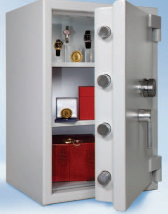
According to Underwriters Laboratories (UL), a globally recognized safety science company, not all safes are created equal. When purchasing a safe, experts recommend looking for a minimum of a 1-hour fire rating at 927°C. This ensures the internal temperature will remain below 177°C (the point at which paper chars and combusts) for at least one hour during a standard house fire.
For burglary protection, seek out safes with a valuable rating. A indicates that the safe has been rigorously tested to withstand a continuous, physical assault by professional safecrackers using hand tools, picking tools, mechanical or electrical tools, and grinding points.
The Golden Rule of Installation: Bolt It Down
If a safe weighs less than 500 pounds, two determined burglars with a simple dolly can simply wheel it out the front door and take it to a secondary location where they have unlimited time and heavy machinery to crack it open. Always bolt your safe directly into the concrete foundation of your home using heavy-duty anchor bolts.
5. Best Practices for Maintaining the Integrity of Your Safe
Once you have carefully curated what goes in and out of your safe, maintaining the internal environment is the final step to ensuring the longevity of your valuables.
Implement Moisture Control
Trapped moisture can cause mold to grow on paper documents, ruin photographs, and accelerate the tarnishing of silver and the rusting of metal components. Always keep an electronic dehumidifier rod inside the safe, and replace or recharge them every few months.
Protect Documents with Redundancy
Even inside a fireproof safe, it is wise to place vital paper documents inside secondary fire-resistant or waterproof document bags. In the event of a fire, the water used by the fire department to extinguish the blaze can sometimes seep into safes; waterproof bags offer a vital second layer of defense.
Routine Mechanical Maintenance
If your safe utilizes a digital electronic keypad, establish a strict routine of replacing the batteries every six to twelve months with high-quality alkaline batteries. If it features a mechanical dial, have a certified locksmith service and lubricate the locking bolts every few years to prevent internal binding.
Securing Your Future with the Right Safe Boxes
The strategic use of safe boxes is one of the most proactive, empowering steps you can take to secure your household’s financial and legal future. By taking a thoughtful, organized approach to your physical security, meticulously separating the irreplaceable from the everyday, and the highly sensitive from the purely practical, you create an impenetrable barrier between your life’s most valuable assets and the unpredictable forces of the world.