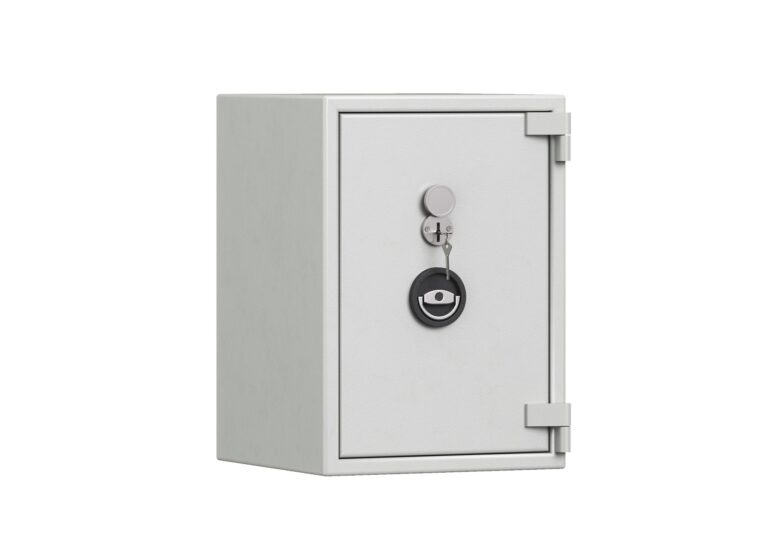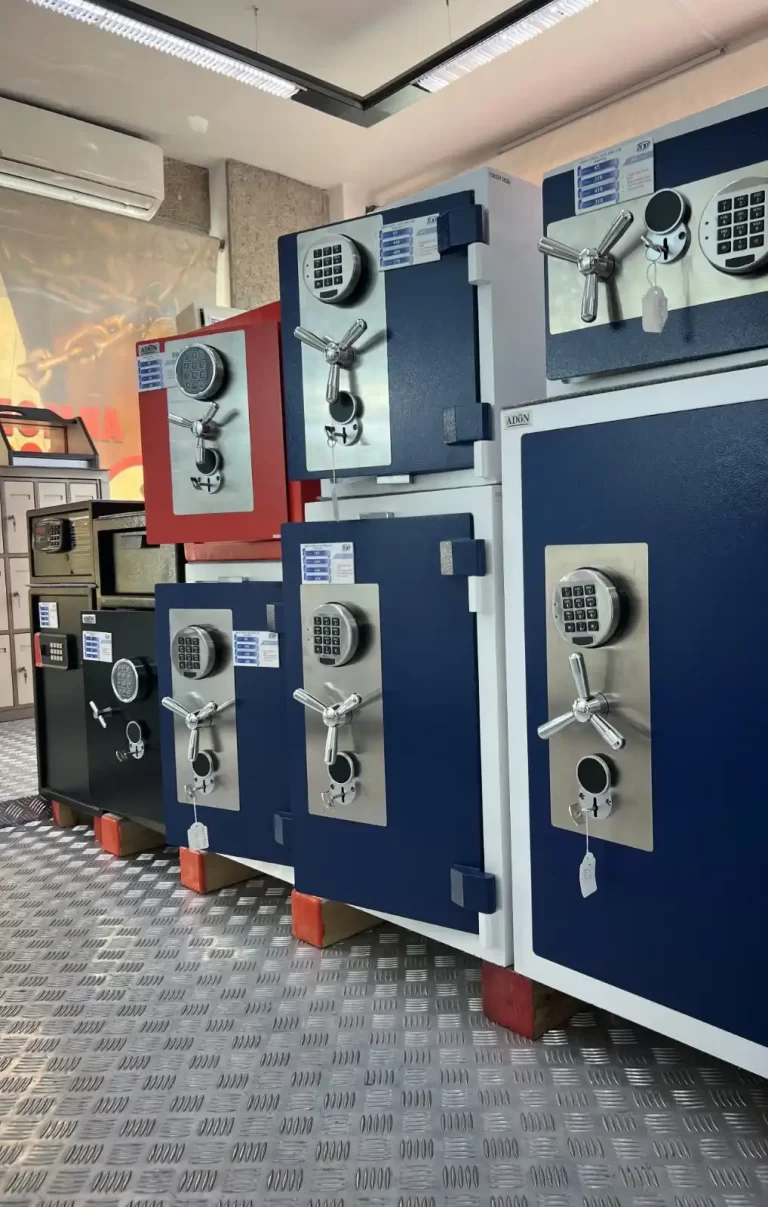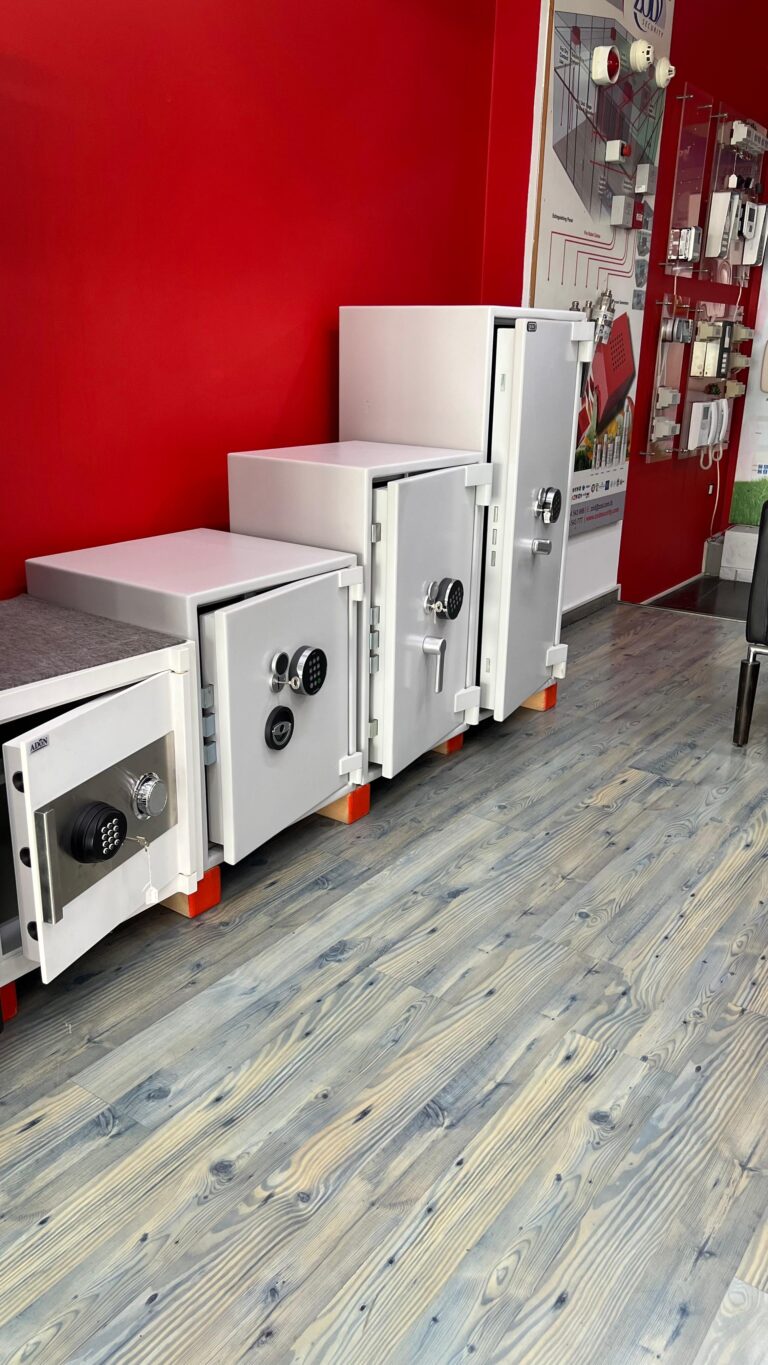
Top Rated Security Safes In Lebanon
As a property owner in Lebanon, you understand the importance of securing your valuables and sensitive documents. With over 50 years of experience in the security industry, it’s clear that investing in a top-rated security safe is a crucial step in protecting your assets.
However, with so many options available in the market, it can be overwhelming to choose the right safe for your needs. In this article, we will guide you through the process of selecting the best security safe for your home or business, highlighting the key features and benefits of top-rated security safes in Lebanon.
Understanding Your Security Needs
Before investing in a security safe, it’s essential to assess your security needs. Consider the type of items you want to store, the level of security required, and the space available for the safe. For instance, if you need to store sensitive documents, you may require a fireproof safe with a high level of security. On the other hand, if you need to store valuable items such as jewelry or cash, you may require a safe with advanced locking mechanisms and anti-theft features.
It’s also crucial to consider the level of risk associated with your valuables. If you live in an area with a high crime rate or have experienced break-ins in the past, you may require a more secure safe with advanced features such as biometric authentication or alarm systems.
Additionally, you should consider the size and weight of the safe, as well as its durability and maintenance requirements. A larger safe may provide more storage space, but it may also be more difficult to install and maintain.
Choosing the Right Safe for Your Needs
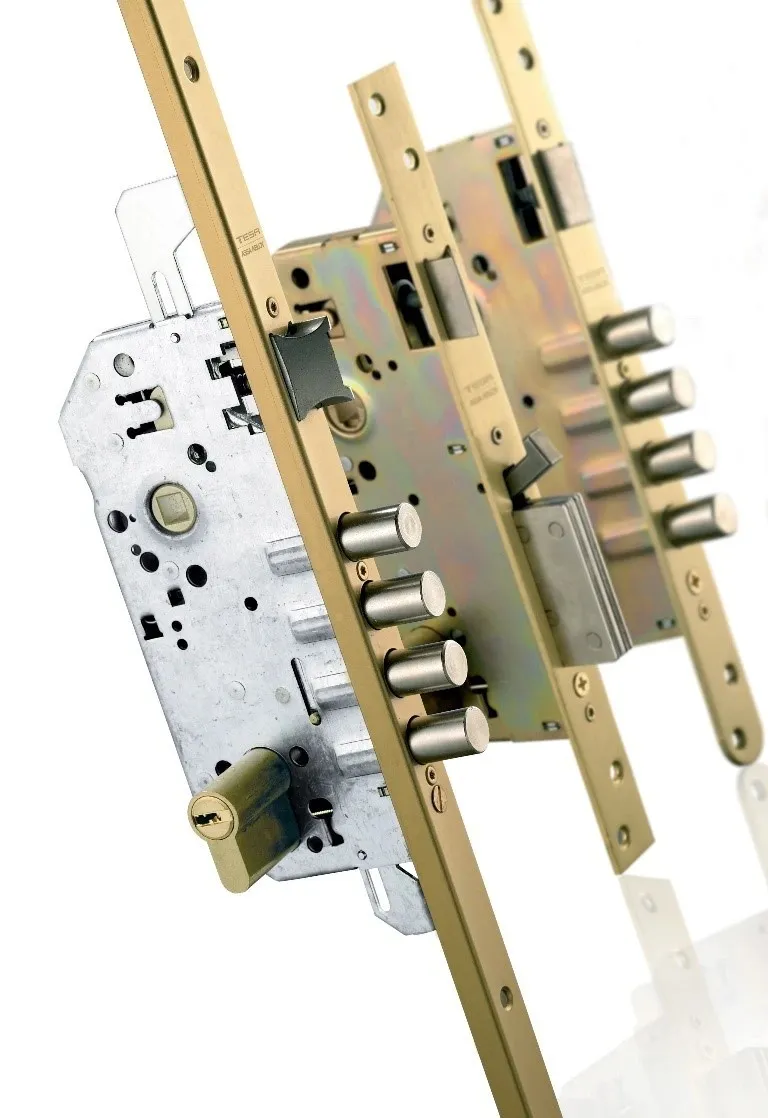
With so many options available in the market, choosing the right safe for your needs can be a daunting task. However, by considering your security needs and assessing your options carefully, you can make an informed decision. Here are some factors to consider when choosing a safe: size, material, locking mechanism, fire resistance, and anti-theft features.
It’s also essential to consider the reputation of the manufacturer and the quality of the safe. Look for safes that meet international security standards and have been tested for burglary and fire resistance.
Furthermore, you should consider the warranty and maintenance requirements of the safe. A good warranty can provide peace of mind, and regular maintenance can ensure that your safe continues to function effectively.
Safe Features
- ✓Size and material
- ✓Locking mechanism
- ✓Fire resistance
- ✓Anti-theft features
Installation Requirements
- ✓Space availability
- ✓Weight and durability
- ✓Maintenance requirements
- ✓Warranty and support
Common Mistakes to Avoid When Buying a Safe
When buying a safe, there are several common mistakes to avoid. One of the most significant mistakes is not considering your security needs carefully. This can lead to purchasing a safe that is not suitable for your valuables, leaving them vulnerable to theft or damage.
Another mistake is not researching the manufacturer and the quality of the safe. This can result in purchasing a low-quality safe that does not meet international security standards.
Additionally, not considering the installation requirements of the safe can lead to difficulties during installation, which can compromise the security of the safe.
Not considering your security needs carefully can lead to purchasing a safe that is not suitable for your valuables, leaving them vulnerable to theft or damage. To avoid this mistake, assess your security needs carefully and choose a safe that meets your requirements.
Not researching the manufacturer and the quality of the safe can result in purchasing a low-quality safe that does not meet international security standards. To avoid this mistake, research the manufacturer and read reviews from other customers.
Not considering the installation requirements of the safe can lead to difficulties during installation, which can compromise the security of the safe. To avoid this mistake, consider the space availability, weight, and durability of the safe, as well as its maintenance requirements.
Fire and Burglary Resistance: What You Need to Know
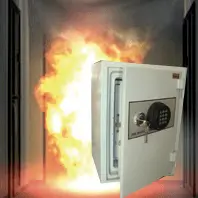
Fire and burglary resistance are two critical factors to consider when choosing a safe. A fire-resistant safe can protect your valuables from damage in the event of a fire, while a burglary-resistant safe can prevent unauthorized access to your valuables.
When it comes to fire resistance, it’s essential to consider the level of protection required. For instance, paper ignites at 451°F, while digital media is damaged above 125°F. A safe with a high level of fire resistance can provide protection for your valuables in the event of a fire.
In terms of burglary resistance, it’s crucial to consider the level of security required. A safe with advanced locking mechanisms and anti-theft features can provide a high level of security, while a safe with a low level of security may be vulnerable to break-ins.
Tips for Maintaining Your Safe
Maintaining your safe is crucial to ensuring its continued effectiveness. Here are some tips for maintaining your safe: keep the combination or password confidential, avoid overloading the safe, and perform regular maintenance checks.
Additionally, it’s essential to consider the environmental conditions in which the safe is stored. Extreme temperatures, humidity, and exposure to dust can compromise the security of the safe.
Regularly checking the safe’s locking mechanism and ensuring that it is functioning correctly is also vital. A malfunctioning lock can compromise the security of the safe, leaving your valuables vulnerable to theft or damage.
Maintenance Checks
Perform regular maintenance checks to ensure the safe is functioning correctly. Check the locking mechanism, and ensure that the safe is properly installed and secured.
Combination or Password Confidentiality
Keep the combination or password confidential to prevent unauthorized access to the safe. Avoid sharing the combination or password with others, and consider using a secure method of storing the combination or password.
Environmental Conditions
Consider the environmental conditions in which the safe is stored. Avoid storing the safe in areas with extreme temperatures, humidity, or exposure to dust, as these conditions can compromise the security of the safe.
Comparing Safe Options: Mechanical Dial vs Electronic Keypad
When choosing a safe, one of the most critical decisions is the type of locking mechanism to use. Two popular options are mechanical dial and electronic keypad. Here’s a comparison of the two:
Mechanical dial safes are traditional and reliable, with a low risk of electronic failure. However, they can be slower to access and may require more maintenance.
Electronic keypad safes, on the other hand, offer faster access and higher security, with the ability to set multiple combinations and access codes. However, they may be more prone to electronic failure and require more batteries.
Traditional and Reliable
Mechanical dial safes are a traditional and reliable option, with a low risk of electronic failure. However, they can be slower to access and may require more maintenance.
Faster Access and Higher Security
Electronic keypad safes offer faster access and higher security, with the ability to set multiple combinations and access codes. However, they may be more prone to electronic failure and require more batteries.
Lock Mechanisms: What You Need to Know
Lock mechanisms are a critical component of any safe. Here’s a comparison of three common lock mechanisms: mechanical dial, electronic keypad, and biometric fingerprint.
Mechanical dial locks are reliable and low-maintenance, with a high level of security. Electronic keypad locks offer faster access and higher security, with the ability to set multiple combinations and access codes. Biometric fingerprint locks provide a high level of security and convenience, with the ability to store multiple fingerprints.
When choosing a lock mechanism, consider the level of security required, as well as the convenience and ease of use.
Mechanical Dial
Electronic Keypad
Biometric Fingerprint
Product Features: What to Look for in a Safe
When choosing a safe, there are several product features to consider. Here’s a comparison of two popular safe options: fireproof safes and anti-theft safes.
Fireproof safes are designed to protect your valuables from fire damage, with a high level of fire resistance. Anti-theft safes, on the other hand, are designed to prevent unauthorized access to your valuables, with advanced locking mechanisms and anti-theft features.
When choosing a safe, consider the level of protection required, as well as the convenience and ease of use.
Fireproof Safe
- BuildFire-resistant materials
- ProtectsValuables from fire damage
- Best ForHome or business use
- WeaknessMay not be suitable for high-security applications
Anti-Theft Safe
- BuildAdvanced locking mechanisms
- ProtectsValuables from theft
- Best ForHigh-security applications
- WeaknessMay be more expensive than fireproof safes
Debunking Common Myths About Safes
There are several common myths about safes that can be misleading. Here are a few examples:
One common myth is that all safes are the same. However, this is not true. Safes come in a variety of sizes, materials, and locking mechanisms, each with its own unique features and benefits.
Another myth is that safes are only for valuable items. However, this is not true. Safes can be used to store a variety of items, including important documents, family heirlooms, and even food and water.
This is not true. Safes come in a variety of sizes, materials, and locking mechanisms, each with its own unique features and benefits. When choosing a safe, consider your specific needs and requirements.
This is not true. Safes can be used to store a variety of items, including important documents, family heirlooms, and even food and water. Consider using a safe to store items that are important to you, regardless of their monetary value.
This is not true. While safes are designed to be secure, they are not invincible. Consider the level of security required for your valuables and choose a safe that meets your needs.
Buyer Recommendations: Choosing the Right Safe for Your Needs
When choosing a safe, consider your specific needs and requirements. Here are a few buyer recommendations:
For home use, consider a fireproof safe with a high level of fire resistance. For business use, consider an anti-theft safe with advanced locking mechanisms and anti-theft features.
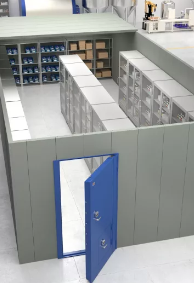
For high-security applications, consider a safe with a high level of security, such as a vault or a safe with biometric authentication.
A fireproof safe is a great option for home use, providing a high level of fire resistance and protection for your valuables.
An anti-theft safe is a great option for business use, providing advanced locking mechanisms and anti-theft features to protect your valuables.
A vault or biometric safe is a great option for high-security applications, providing a high level of security and protection for your valuables.
Security Grades: Understanding the Different Levels of Security
Security grades are an important consideration when choosing a safe. Here are a few common security grades:
RSC (Residential Security Container) is a basic level of security, suitable for residential use. TL-15 (Tool-Resistant) is a higher level of security, suitable for commercial use. TL-30 (Tool-Resistant) is an even higher level of security, suitable for high-security applications.
European EN 1143-1 is a security standard that provides a higher level of security, with grades ranging from I to VI. Grade I is suitable for basic residential use, while Grade VI is suitable for high-security applications.
Residential Security Container
A basic level of security, suitable for residential use. Provides protection against basic tools and attacks.
Tool-Resistant
A higher level of security, suitable for commercial use. Provides protection against tools and attacks for 15 minutes.
European Security Standard
A higher level of security, suitable for basic residential use. Provides protection against basic tools and attacks, with a higher level of security than RSC.
Get the Right Safe for Your Needs
Choosing the right safe for your needs can be a daunting task, but by considering your security needs, assessing your options carefully, and choosing a safe that meets your requirements, you can ensure the security and protection of your valuables. Remember to consider the level of protection required, the convenience and ease of use, and the reputation of the manufacturer.
Contact ZOD Safe & Lock today for a free consultation and site visit.
Frequently Asked Questions
A fireproof safe is a great option for home use, providing a high level of fire resistance and protection for your valuables.
A mechanical dial is a traditional and reliable option, with a low risk of electronic failure. An electronic keypad, on the other hand, offers faster access and higher security, with the ability to set multiple combinations and access codes.
Consider the level of security required, the type of items to be stored, and the space available for the safe. An anti-theft safe with advanced locking mechanisms and anti-theft features is a great option for business use.
Fire resistance is critical in a safe, as it provides protection for your valuables in the event of a fire. Consider a safe with a high level of fire resistance, such as a fireproof safe.
Regular maintenance is crucial to ensure the continued effectiveness of your safe. Check the locking mechanism, ensure proper installation and securing, and perform regular maintenance checks.