Door Locks Lebanon: Protecting Your Property
With over 50 years of experience in the security industry, it’s clear that Lebanese property owners understand the importance of protecting their assets. In fact, a significant number of homeowners and businesses in Lebanon have already taken steps to secure their properties, with over 350,000 clients served in the region.
However, with the increasing threat of burglary and theft, it’s essential for property owners to reassess their security measures, particularly when it comes to door locks. A reliable and robust door lock can be the difference between a secure and an insecure property, which is why it’s crucial to choose the right one for your needs.
Understanding the Importance of Door Locks
Door locks are often the first line of defense against intruders, and a weak or faulty lock can compromise the entire security system. In Lebanon, where burglary and theft are significant concerns, a good door lock can provide peace of mind and protect valuable assets. Moreover, a secure door lock can also prevent unauthorized access, reducing the risk of damage or loss.
A reliable door lock can also enhance the overall security of a property, making it more difficult for intruders to gain entry. This is particularly important for businesses, where sensitive equipment and data may be stored. By investing in a high-quality door lock, property owners can ensure that their assets are protected and their premises are secure.
Furthermore, a good door lock can also improve the overall appearance of a property, making it more attractive to potential buyers or tenants. In Lebanon, where the real estate market is highly competitive, a secure and well-maintained property can be a major selling point.
Choosing the Right Door Lock
With so many door locks available on the market, it can be challenging to choose the right one for your needs. There are several factors to consider, including the type of property, the level of security required, and the budget. In Lebanon, where the climate can be hot and humid, it’s essential to choose a door lock that is durable and resistant to corrosion.
One of the most important factors to consider is the level of security required. For high-risk properties, such as banks or jewelry stores, a high-security door lock may be necessary. These locks are designed to withstand forced entry and are often made with heavy-duty materials. For lower-risk properties, such as residential homes, a standard door lock may be sufficient.
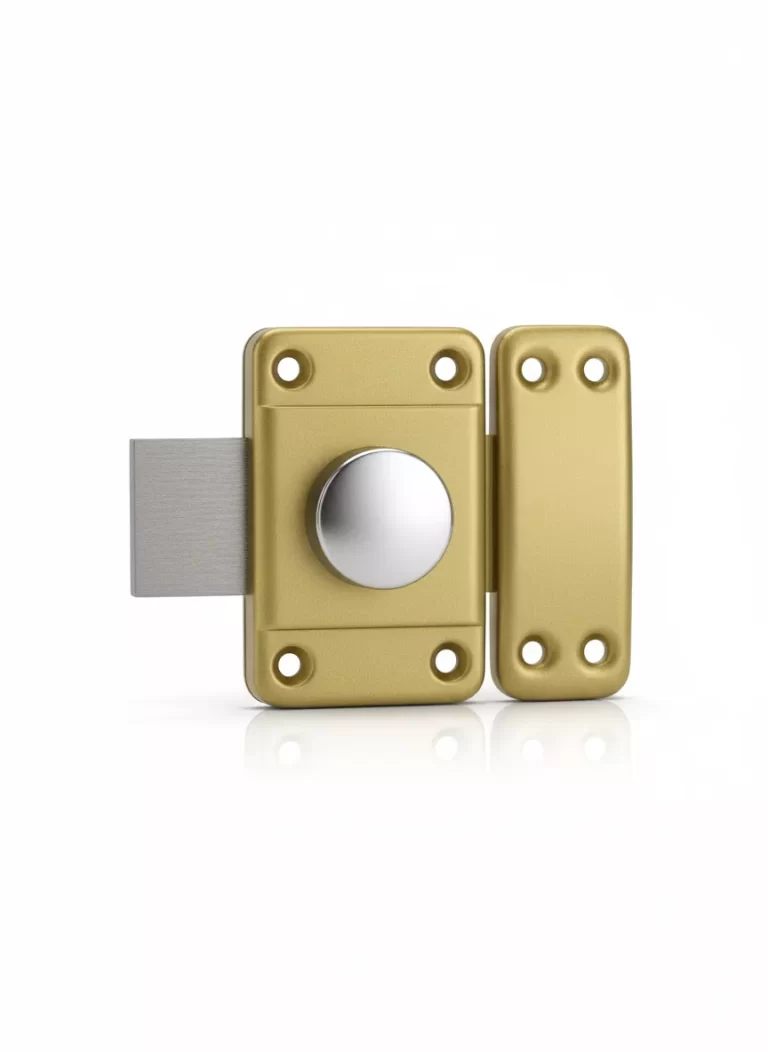
Another factor to consider is the type of door lock. There are several types available, including mechanical, electronic, and biometric locks. Each type has its own advantages and disadvantages, and the right choice will depend on the specific needs of the property. For example, a biometric lock may be more convenient for properties with multiple users, while a mechanical lock may be more suitable for properties with limited access.
Door Lock Types
- ✓Mechanical Locks: durable and reliable
- ✓Electronic Locks: convenient and easy to use
- ✓Biometric Locks: secure and advanced
Security Features
- ✓Anti-pick pins: prevent lock picking
- ✓Reinforced strike plate: withstands forced entry
- ✓Alarm system: alerts owners to potential threats
Common Mistakes to Avoid
When it comes to door locks, there are several common mistakes that property owners can make. One of the most significant mistakes is choosing a lock that is not suitable for the property. For example, a residential lock may not be sufficient for a commercial property, and vice versa.
Another mistake is not maintaining the lock properly. A lock that is not regularly lubricated or cleaned can become worn and corroded, making it easier for intruders to gain entry. Additionally, a lock that is not installed correctly can be vulnerable to forced entry.
A third mistake is not considering the level of security required. A property that requires a high level of security may need a lock that is specifically designed for that purpose. For example, a bank or jewelry store may require a lock that is resistant to drilling or cutting.
Choosing a lock that is not suitable for the property can compromise the entire security system. For example, a residential lock may not be sufficient for a commercial property, and vice versa. To avoid this mistake, property owners should consult with a security expert to determine the best lock for their needs.
Poor maintenance can lead to a lock becoming worn and corroded, making it easier for intruders to gain entry. To avoid this mistake, property owners should regularly lubricate and clean their locks, and consider replacing them every 5-7 years.
Inadequate security can leave a property vulnerable to forced entry. To avoid this mistake, property owners should consider the level of security required for their property and choose a lock that is specifically designed for that purpose.
Fire and Burglary Resistance
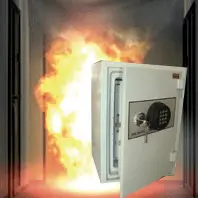
Door locks can also provide resistance to fire and burglary. In Lebanon, where fires can occur due to electrical or gas accidents, a fire-resistant lock can help prevent the spread of flames. Additionally, a burglary-resistant lock can help prevent intruders from gaining entry.
There are several types of fire-resistant locks available, including those with a fire-resistant core or a heat-activated locking mechanism. These locks are designed to withstand high temperatures and can help prevent the spread of flames.
Burglary-resistant locks, on the other hand, are designed to withstand forced entry. These locks are made with heavy-duty materials and are often equipped with anti-pick pins or reinforced strike plates. They can help prevent intruders from gaining entry, even if they use force or tools.
Tips for Maintaining Your Door Lock
Regular maintenance is essential to ensure that your door lock continues to function properly. Here are a few tips to help you maintain your lock: regularly lubricate the lock’s moving parts, clean the lock to prevent corrosion, and consider replacing the lock every 5-7 years.
Additionally, property owners should also consider the level of security required for their property and choose a lock that is specifically designed for that purpose. For example, a bank or jewelry store may require a lock that is resistant to drilling or cutting.
It’s also essential to keep the lock’s keys safe and secure. Property owners should consider using a key safe or a secure key storage system to protect their keys from unauthorized access.
Lubrication
Regular lubrication can help keep the lock’s moving parts running smoothly, reducing the risk of wear and tear. Property owners should use a silicone-based lubricant and apply it to the lock’s hinges and other moving parts.
Cleaning
Regular cleaning can help prevent corrosion and keep the lock functioning properly. Property owners should use a soft cloth and a mild detergent to clean the lock, and avoid using harsh chemicals or abrasive materials.
Replacement
Regular replacement can help ensure that the lock remains secure and functioning properly. Property owners should consider replacing their lock every 5-7 years, or sooner if they notice any signs of wear and tear.
Comparing Door Locks
When it comes to door locks, there are several options available. Two of the most popular options are mechanical and electronic locks. Mechanical locks are durable and reliable, while electronic locks are convenient and easy to use.
However, both options have their own advantages and disadvantages. Mechanical locks can be more difficult to install and may require more maintenance, while electronic locks can be more vulnerable to hacking or technical issues.
Ultimately, the right choice will depend on the specific needs of the property. Property owners should consider factors such as security, convenience, and budget when choosing a door lock.
Durable and Reliable
Mechanical locks are a popular choice for properties that require a high level of security. They are durable and reliable, and can withstand forced entry. However, they can be more difficult to install and may require more maintenance.
Convenient and Easy to Use
Electronic locks are a popular choice for properties that require convenience and ease of use. They are easy to install and can be controlled remotely, making them ideal for properties with multiple users. However, they can be more vulnerable to hacking or technical issues.
Lock Mechanisms
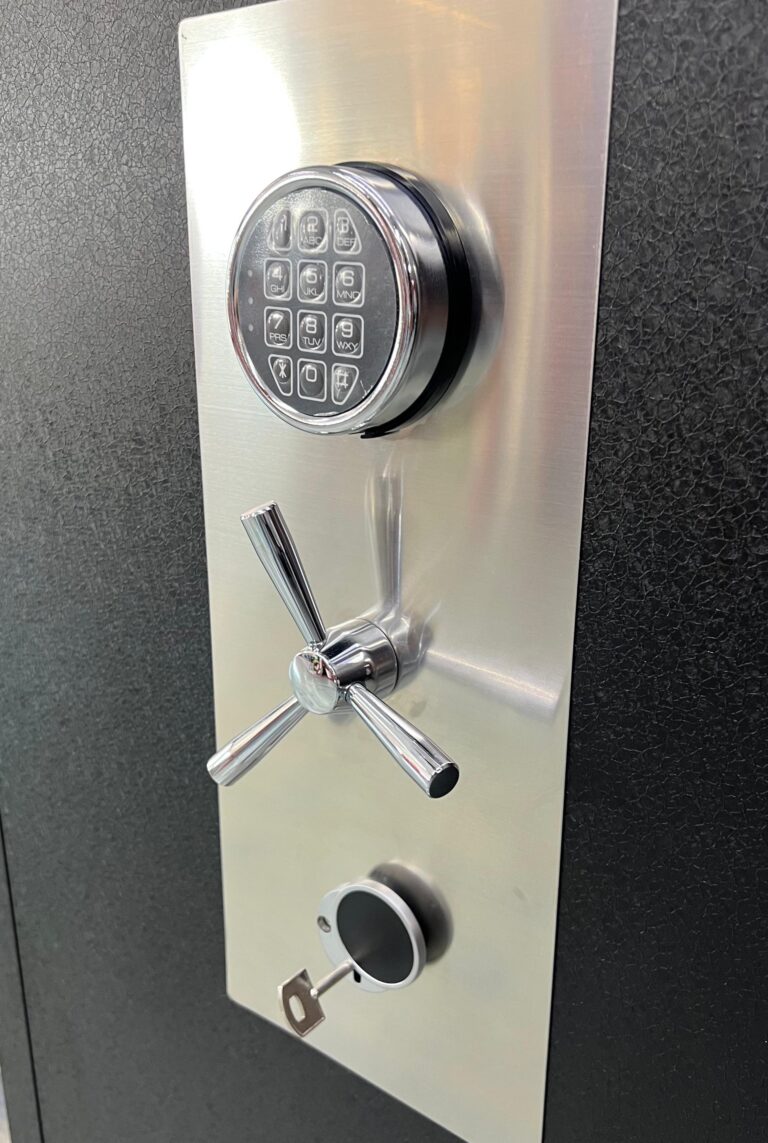
Lock mechanisms are an essential part of any door lock. There are several types of lock mechanisms available, including mechanical dial, electronic keypad, and biometric fingerprint.
Each type of lock mechanism has its own advantages and disadvantages. Mechanical dial locks are durable and reliable, while electronic keypad locks are convenient and easy to use. Biometric fingerprint locks are secure and advanced, but can be more expensive.
Ultimately, the right choice will depend on the specific needs of the property. Property owners should consider factors such as security, convenience, and budget when choosing a lock mechanism.
Mechanical Dial
Electronic Keypad
Biometric Fingerprint
Product Features
When it comes to door locks, there are several product features to consider. Some of the most important features include anti-pick pins, reinforced strike plates, and alarm systems.
Anti-pick pins can help prevent lock picking, while reinforced strike plates can help withstand forced entry. Alarm systems can alert owners to potential threats, providing an additional layer of security.
Other features to consider include keyless entry, biometric authentication, and remote control. Keyless entry can provide convenience and ease of use, while biometric authentication can provide an additional layer of security. Remote control can allow property owners to control their locks from anywhere, making it ideal for properties with multiple users.
Mechanical Locks
- BuildDurable and reliable
- ProtectsAgainst forced entry
- Best ForProperties that require a high level of security
- WeaknessCan be more difficult to install and maintain
Electronic Locks
- BuildConvenient and easy to use
- ProtectsAgainst unauthorized access
- Best ForProperties that require convenience and ease of use
- WeaknessCan be more vulnerable to hacking or technical issues
Myths and Misconceptions
There are several myths and misconceptions surrounding door locks. One of the most common myths is that all door locks are created equal. However, this is not the case. Different types of door locks have different levels of security, convenience, and durability.
Another myth is that door locks are only necessary for high-risk properties. However, this is not true. All properties can benefit from a secure door lock, regardless of the level of risk.
A third myth is that door locks are only for exterior doors. However, this is not the case. Interior doors can also benefit from secure locks, particularly in properties with multiple users or sensitive areas.
This is not true. Different types of door locks have different levels of security, convenience, and durability. Property owners should consider their specific needs and choose a lock that meets those needs.
This is not true. All properties can benefit from a secure door lock, regardless of the level of risk. A secure door lock can provide peace of mind and protect valuable assets.
This is not true. Interior doors can also benefit from secure locks, particularly in properties with multiple users or sensitive areas. A secure interior door lock can help prevent unauthorized access and protect sensitive areas.
Buyer Recommendations
When it comes to buying a door lock, there are several factors to consider. Property owners should consider their specific needs and choose a lock that meets those needs. Here are a few recommendations for different types of buyers:
For residential buyers, a mechanical lock or electronic lock may be a good choice. These locks are durable and reliable, and can provide a high level of security. For commercial buyers, a high-security lock may be necessary. These locks are designed to withstand forced entry and can provide an additional layer of security.
For buyers who require convenience and ease of use, an electronic lock or biometric lock may be a good choice. These locks are easy to use and can provide an additional layer of security. For buyers who are on a budget, a mechanical lock or basic electronic lock may be a good choice. These locks are affordable and can provide a basic level of security.
A mechanical or electronic lock can provide a high level of security and are durable and reliable. These locks are a good choice for residential buyers who require a basic level of security.
A high-security lock can provide an additional layer of security and are designed to withstand forced entry. These locks are a good choice for commercial buyers who require a high level of security.
A mechanical or basic electronic lock can provide a basic level of security and are affordable. These locks are a good choice for buyers who are on a budget and require a basic level of security.
Security Grades
Door locks can be graded according to their level of security. The most common grades are RSC, TL-15, and TL-30. RSC is a basic grade that provides a minimal level of security, while TL-15 and TL-30 provide a higher level of security.
TL-15 locks are designed to withstand forced entry for 15 minutes, while TL-30 locks are designed to withstand forced entry for 30 minutes. These locks are a good choice for properties that require a high level of security.
Additionally, door locks can also be graded according to their level of fire resistance. The most common grades are UL 30, UL 1, and UL 2. UL 30 locks are designed to withstand fire for 30 minutes, while UL 1 and UL 2 locks are designed to withstand fire for 1 and 2 hours, respectively.
Basic Security Grade
RSC locks provide a minimal level of security and are designed for basic use. They are a good choice for properties that do not require a high level of security.
Medium Security Grade
TL-15 locks are designed to withstand forced entry for 15 minutes and provide a medium level of security. They are a good choice for properties that require a moderate level of security.
High Security Grade
TL-30 locks are designed to withstand forced entry for 30 minutes and provide a high level of security. They are a good choice for properties that require a high level of security.
Secure Your Property with the Right Door Lock
Choosing the right door lock can be a daunting task, but with the right information and guidance, property owners can make an informed decision. By considering factors such as security, convenience, and budget, property owners can choose a door lock that meets their specific needs.
In Lebanon, where security is a top concern, choosing the right door lock is crucial. Property owners should consider their specific needs and choose a lock that provides the right level of security, convenience, and durability.
Contact ZOD Safe & Lock today for a free consultation and site visit.
Frequently Asked Questions
The best type of door lock for your property will depend on your specific needs and requirements. Consider factors such as security, convenience, and budget when choosing a door lock. You may also want to consult with a security expert to determine the best lock for your property.
It’s recommended to replace your door lock every 5-7 years, or sooner if you notice any signs of wear and tear. You may also want to consider replacing your lock if you’ve experienced a security breach or if you’re moving into a new property.
A mechanical door lock uses a physical key to unlock the door, while an electronic door lock uses a keypad or biometric authentication to unlock the door. Electronic locks are often more convenient and easy to use, but may be more vulnerable to hacking or technical issues.
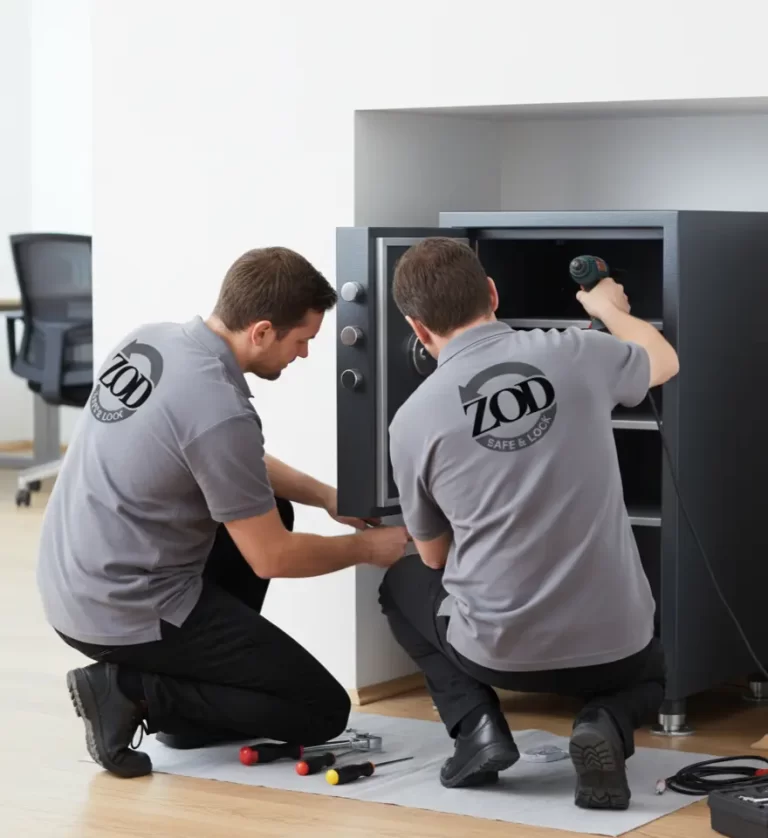
While it’s possible to install a door lock yourself, it’s recommended to hire a professional locksmith to ensure that the lock is installed correctly and securely. A professional locksmith can also provide guidance on the best type of lock for your property and ensure that it’s installed to the highest standards.
To maintain your door lock, you should regularly lubricate the lock’s moving parts and clean the lock to prevent corrosion. You should also consider replacing the lock every 5-7 years, or sooner if you notice any signs of wear and tear.