Door Locks Lebanon: Choosing the Right Security for Your Home
As a homeowner or business owner in Lebanon, you understand the importance of security, especially when it comes to door locks. With over 350,000 clients served in the region, it’s clear that security is a top priority for many.
However, with so many options available, choosing the right door lock can be overwhelming. In this article, we will guide you through the process of selecting the perfect door lock for your home or business, ensuring you have the best security possible.
Understanding the Importance of Door Locks
Door locks are the first line of defense against intruders, and a good lock can make all the difference in preventing break-ins. In Lebanon, where security is a major concern, it’s essential to have a reliable door lock that can withstand various types of attacks.
A good door lock not only provides security but also gives you peace of mind, knowing that your home and family are protected. Moreover, a secure door lock can also increase the value of your property, making it more attractive to potential buyers if you decide to sell.
When it comes to door locks, there are many options available, each with its own set of features and benefits. From mechanical locks to electronic locks, and from basic to high-security locks, the choices can be overwhelming. However, by understanding the different types of locks and their characteristics, you can make an informed decision and choose the right lock for your needs.
Types of Door Locks
There are several types of door locks available in the market, each with its own unique features and benefits. Mechanical locks, for example, are traditional locks that use a key to open and close. They are simple, reliable, and affordable, making them a popular choice for many homeowners.
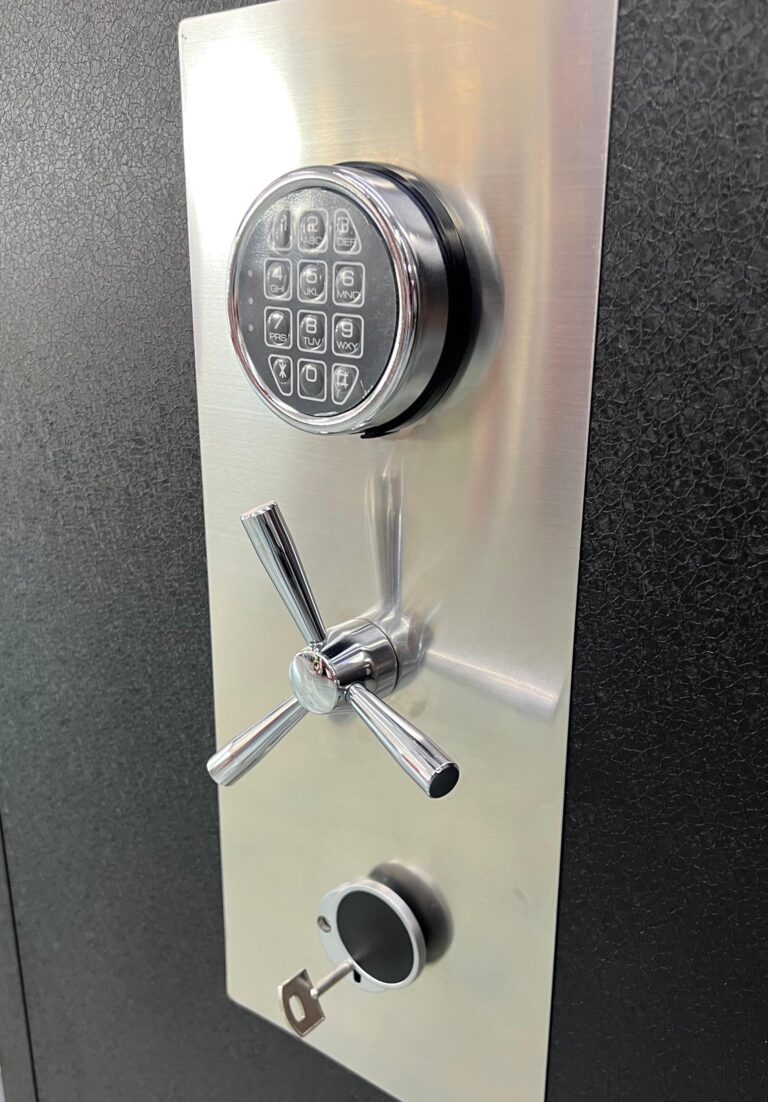
Electronic locks, on the other hand, use a keypad or a card to open and close. They are more convenient than mechanical locks and offer additional features such as keyless entry and remote monitoring. However, they can be more expensive than mechanical locks and require batteries or an external power source.
Biometric locks, which use fingerprint or facial recognition technology, are becoming increasingly popular due to their high level of security and convenience. They are ideal for homes and businesses that require high-security measures, but they can be more expensive than other types of locks.
Mechanical Locks
- 🗹️Simple and reliable
- 🗹️Affordable
- 🗹️Wide range of designs and finishes
- 🗹️Ideal for basic security needs
Electronic Locks
- 🗹️Convenient keyless entry
- 🗹️Remote monitoring and control
- 🗹️Additional security features such as alarms and sensors
- 🗹️Ideal for homes and businesses with high-security needs
Common Mistakes to Avoid When Choosing a Door Lock
When choosing a door lock, there are several mistakes to avoid to ensure you get the right lock for your needs. One common mistake is choosing a lock based solely on price, without considering the level of security it provides.
Another mistake is not considering the type of door and the environment in which the lock will be used. For example, a lock that is designed for indoor use may not be suitable for outdoor use, where it will be exposed to the elements.
It’s also important to consider the level of maintenance required for the lock, as well as the cost of replacement parts and labor. By avoiding these common mistakes, you can ensure you choose a door lock that meets your security needs and provides long-term reliability.
Choosing a lock based solely on price can compromise the level of security it provides. A cheap lock may not be made with high-quality materials or have the latest security features, making it more vulnerable to break-ins.
Not considering the type of door and environment in which the lock will be used can lead to a lock that is not suitable for the application. For example, a lock designed for indoor use may not be able to withstand the elements if used outdoors.
Not considering the level of maintenance required for the lock, as well as the cost of replacement parts and labor, can lead to unexpected expenses down the line. It’s essential to choose a lock that is reliable and has a low maintenance cost.
Fire and Burglary Resistance
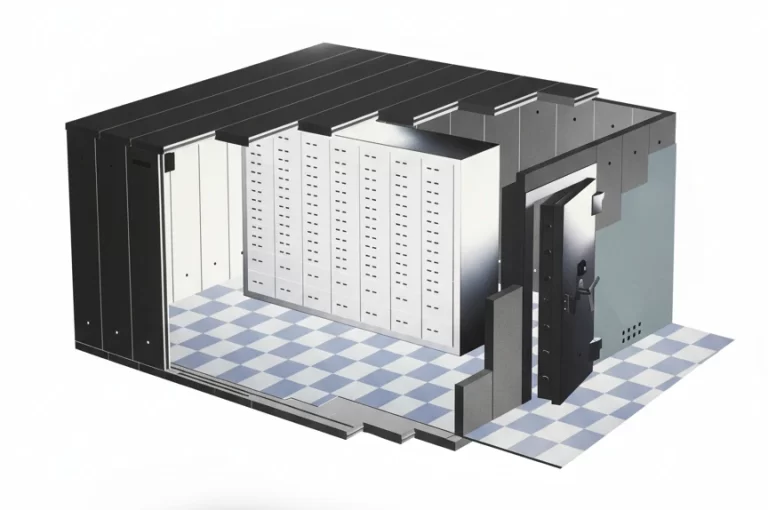
When it comes to door locks, fire and burglary resistance are two critical factors to consider. A lock that is resistant to fire and burglary can provide an additional layer of security and protection for your home or business.
A fire-resistant lock can withstand high temperatures and prevent the spread of fire, while a burglary-resistant lock can withstand various types of attacks, including forced entry and tampering.
When choosing a door lock, look for locks that have been tested and certified for fire and burglary resistance. These locks have been designed to meet specific standards and can provide the level of security you need.
Tips for Maintaining Your Door Lock
Maintaining your door lock is essential to ensure it continues to provide the level of security you need. Here are some tips to help you maintain your door lock:
Regularly clean and lubricate the lock to prevent rust and corrosion. Check the lock’s bolts and screws to ensure they are secure and not loose. Consider replacing the lock’s batteries or having it serviced regularly to ensure it continues to function properly.
By following these tips, you can help extend the life of your door lock and ensure it continues to provide the level of security you need.
Regular Cleaning and Lubrication
Regularly clean and lubricate the lock to prevent rust and corrosion. This will help extend the life of the lock and ensure it continues to function properly.
Check and Secure Bolts and Screws
Check the lock’s bolts and screws to ensure they are secure and not loose. This will help prevent the lock from being tampered with or removed.
Comparing Mechanical and Electronic Locks
When it comes to door locks, there are two main types: mechanical and electronic. Mechanical locks use a key to open and close, while electronic locks use a keypad or card.
Both types of locks have their advantages and disadvantages. Mechanical locks are simple and reliable, but they can be more vulnerable to break-ins. Electronic locks, on the other hand, are more convenient and offer additional security features, but they can be more expensive and require batteries or an external power source.
Ultimately, the choice between a mechanical and electronic lock depends on your specific needs and preferences. Consider factors such as security, convenience, and budget when making your decision.
Simple and Reliable
Mechanical locks are simple and reliable, making them a popular choice for many homeowners. They are also affordable and come in a wide range of designs and finishes.
Convenient and Secure
Electronic locks are more convenient and offer additional security features, making them ideal for homes and businesses with high-security needs. They are also more resistant to break-ins and can be controlled remotely.
Lock Mechanisms
When it comes to door locks, the lock mechanism is a critical component. The lock mechanism is responsible for securing the door and preventing unauthorized access.
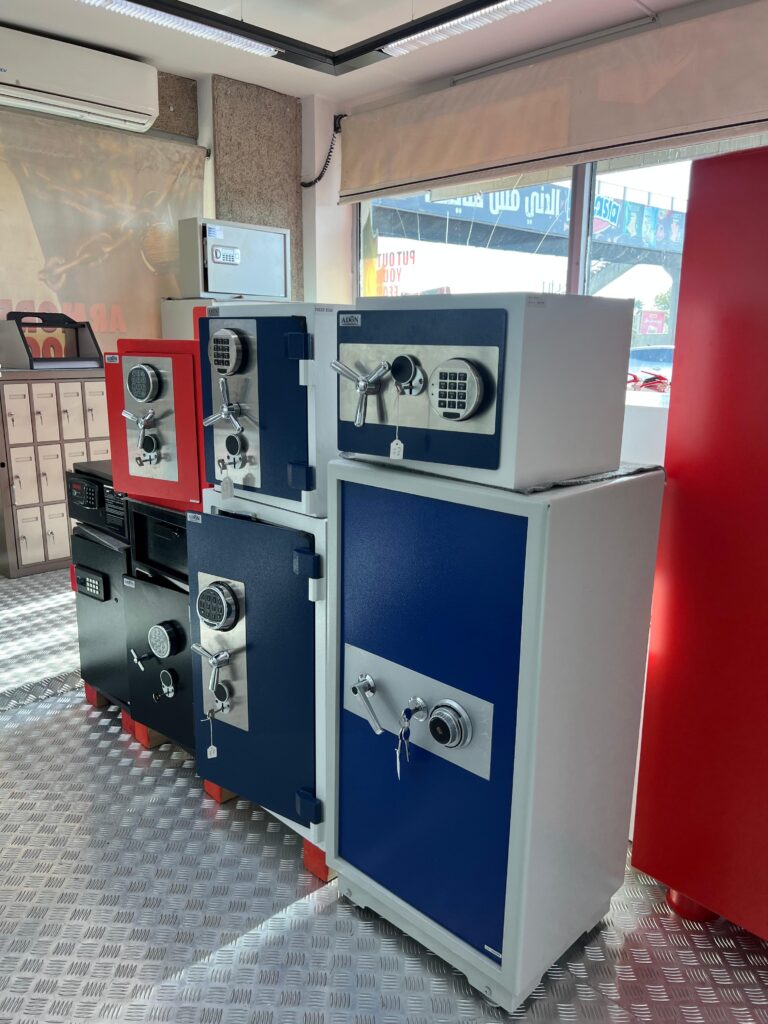
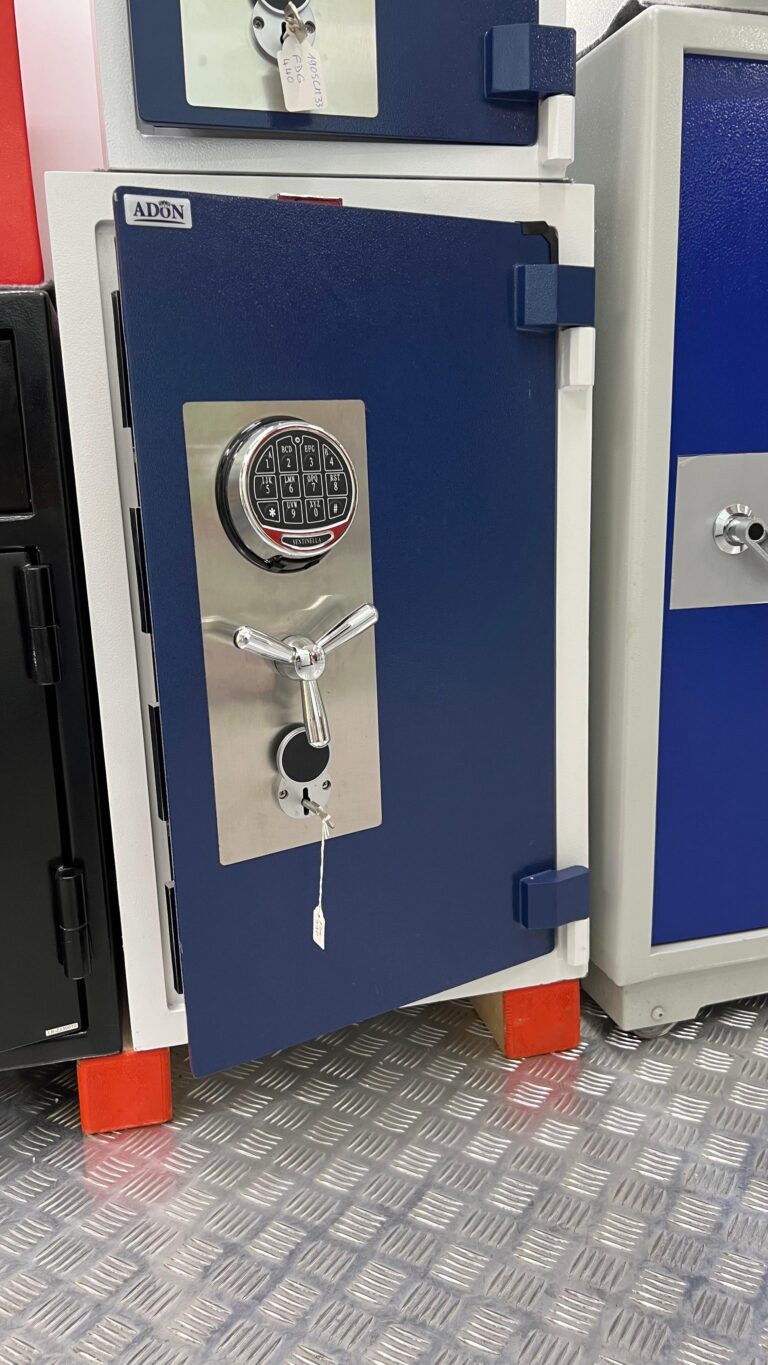
There are several types of lock mechanisms available, including mechanical dial, electronic keypad, and biometric fingerprint. Each type of mechanism has its own unique features and benefits, and the choice of mechanism depends on the specific needs and preferences of the user.
By understanding the different types of lock mechanisms, you can make an informed decision and choose the right lock for your needs.
Mechanical Dial
Electronic Keypad
Biometric Fingerprint
Product Features
When choosing a door lock, it’s essential to consider the product features that meet your specific needs. Some locks come with additional features such as alarms, sensors, and remote monitoring, which can enhance the level of security and convenience.
Other features to consider include the type of material used, the finish, and the design. A lock that is made from high-quality materials and has a durable finish can provide long-term reliability and withstand the elements.
By considering the product features, you can choose a lock that meets your specific needs and provides the level of security and convenience you require.
Mechanical Lock
- BuildMade from high-quality materials
- ProtectsProvides basic security features
- Best For Ideal for homes and businesses with basic security needs
- WeaknessCan be vulnerable to break-ins
Electronic Lock
- BuildMade from high-quality materials
- ProtectsProvides advanced security features
- Best For Ideal for homes and businesses with high-security needs
- WeaknessCan be more expensive and require batteries or an external power source
Myths About Door Locks
There are several myths about door locks that can be misleading and affect your decision when choosing a lock. One common myth is that all door locks are created equal, and that the most expensive lock is always the best.
Another myth is that door locks are foolproof and cannot be broken. However, the reality is that no lock is completely foolproof, and a determined intruder can always find a way to break in.
By understanding the myths and facts about door locks, you can make an informed decision and choose the right lock for your needs.
This is a common myth that can be misleading. The reality is that door locks vary in terms of quality, security, and features, and the most expensive lock is not always the best.
This is another myth that can be misleading. The reality is that no lock is completely foolproof, and a determined intruder can always find a way to break in. However, a good lock can make it more difficult for an intruder to break in and provide an additional layer of security.
Buyer Recommendations
When choosing a door lock, it’s essential to consider your specific needs and preferences. Here are some buyer recommendations to help you make an informed decision:
For homes and businesses with basic security needs, a mechanical lock may be sufficient. However, for homes and businesses with high-security needs, an electronic lock or biometric lock may be more suitable.
Consider factors such as security, convenience, and budget when making your decision. By choosing the right lock for your needs, you can ensure the security and protection of your home or business.
A mechanical lock is a good option for homeowners with basic security needs. It is simple, reliable, and affordable, making it a popular choice for many.
An electronic lock is a good option for businesses with high-security needs. It provides additional security features such as alarms and sensors, making it ideal for businesses that require a high level of security.
Security Grades
When choosing a door lock, it’s essential to consider the security grade of the lock. The security grade indicates the level of security the lock provides and its ability to withstand various types of attacks.
There are several security grades available, including RSC, TL-15, and TL-30. Each security grade has its own set of standards and requirements, and the choice of security grade depends on the specific needs and preferences of the user.
By understanding the security grades, you can choose a lock that meets your specific needs and provides the level of security you require.
Basic Security
The RSC security grade indicates a basic level of security, making it suitable for homes and businesses with basic security needs.
High Security
The TL-15 security grade indicates a high level of security, making it suitable for homes and businesses with high-security needs.
Maximum Security
The TL-30 security grade indicates the highest level of security, making it suitable for homes and businesses that require maximum security.
Get the Right Door Lock for Your Home or Business
Choosing the right door lock is essential for the security and protection of your home or business. By considering the different types of locks, their features, and security grades, you can make an informed decision and choose the right lock for your needs.
Remember to consider factors such as security, convenience, and budget when making your decision. By choosing the right lock, you can ensure the security and protection of your home or business and have peace of mind knowing that you have taken the necessary steps to protect your property.
Contact ZOD Safe & Lock today for a free consultation and site visit.
Frequently Asked Questions
The best type of door lock for your home depends on your specific needs and preferences. Consider factors such as security, convenience, and budget when making your decision. A mechanical lock may be sufficient for homes with basic security needs, while an electronic lock or biometric lock may be more suitable for homes with high-security needs.
Regularly clean and lubricate your door lock to prevent rust and corrosion. Check the lock’s bolts and screws to ensure they are secure and not loose. Consider replacing the lock’s batteries or having it serviced regularly to ensure it continues to function properly.
A mechanical lock uses a key to open and close, while an electronic lock uses a keypad or card. Electronic locks are more convenient and offer additional security features, but they can be more expensive and require batteries or an external power source.
The security grade of a door lock indicates the level of security it provides and its ability to withstand various types of attacks. There are several security grades available, including RSC, TL-15, and TL-30. Each security grade has its own set of standards and requirements, and the choice of security grade depends on the specific needs and preferences of the user.
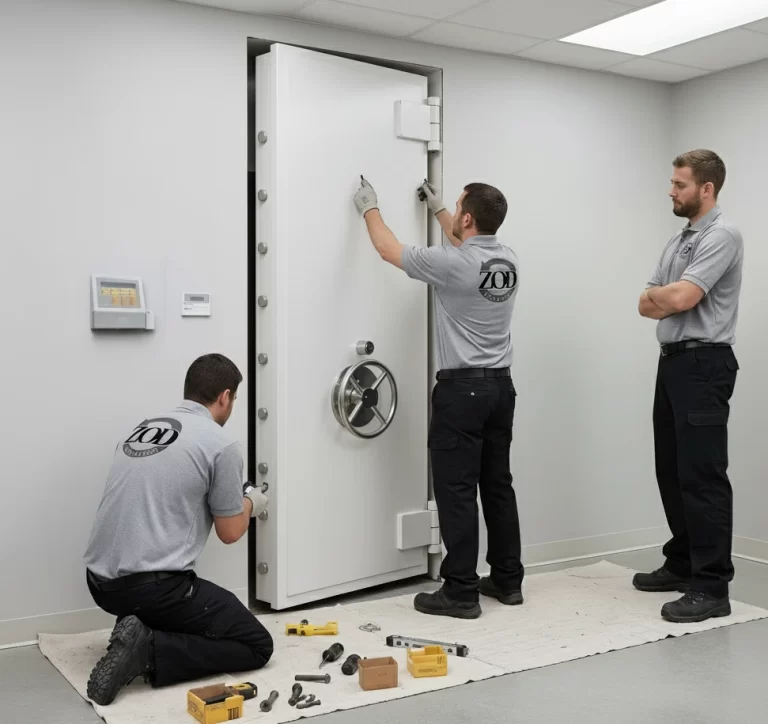
While it is possible to install a door lock yourself, it is recommended to hire a professional to ensure the lock is installed correctly and functions properly. A professional can also provide advice on the best type of lock for your specific needs and ensure that the lock is installed in accordance with the manufacturer’s instructions.