Door Locks Lebanon: Choosing the Right Security
As a property owner in Lebanon, you understand the importance of security in protecting your valuables and loved ones. With over 50 years of experience in the security industry, it’s clear that security is a top priority for many Lebanese residents and businesses.
That’s why choosing the right door locks is crucial. Door locks are the first line of defense against intruders, and a good lock can make all the difference in preventing break-ins and protecting your property.
Understanding the Importance of Door Locks
Door locks are an essential component of any security system. They provide a physical barrier against intruders and can help to prevent break-ins. In Lebanon, where crime rates are relatively high, it’s especially important to have a good door lock to protect your property.
A good door lock can also provide peace of mind. When you know that your door is secure, you can feel more confident and relaxed, whether you’re at home or away. Additionally, a good door lock can also increase the value of your property, as it’s a desirable feature for potential buyers.
However, not all door locks are created equal. There are many different types of door locks available, each with its own strengths and weaknesses. To choose the right door lock for your needs, you need to consider a number of factors, including the level of security you require, the type of door you have, and your budget.
Types of Door Locks
There are many different types of door locks available, each with its own unique features and benefits. Some of the most common types of door locks include mechanical locks, electronic locks, and biometric locks. Mechanical locks are the most traditional type of lock and use a key to open and close the lock.
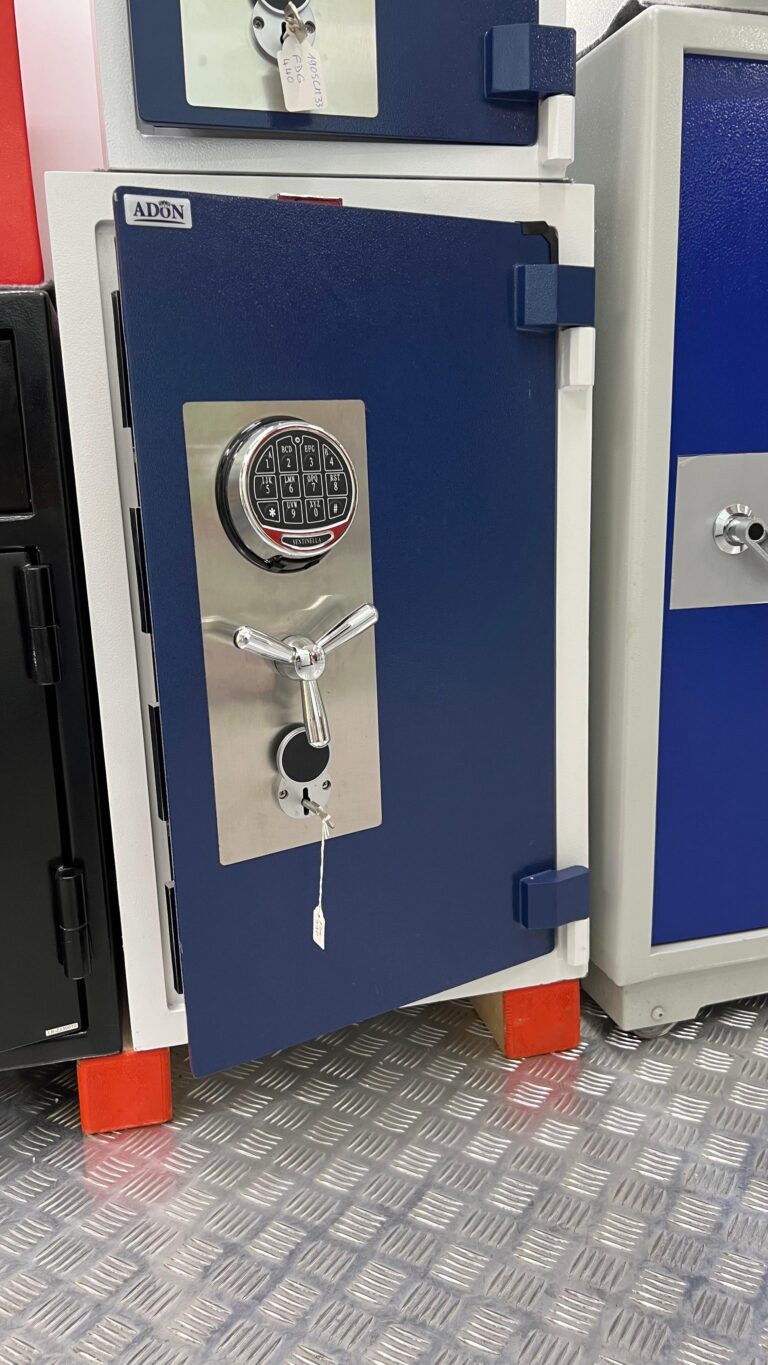
Electronic locks, on the other hand, use a keypad or card reader to open and close the lock. These locks are often more convenient than mechanical locks, as they don’t require a key. Biometric locks use fingerprint or facial recognition technology to open and close the lock. These locks are highly secure and convenient, as they don’t require a key or code.
When choosing a door lock, it’s essential to consider the level of security you require. If you need a high level of security, you may want to consider a biometric lock or a lock with advanced features such as anti-pick pins or a deadbolt.
Lock Features
- ✓Anti-pick pins
- ✓Deadbolt
- ✓Keyless entry
- ✓Biometric recognition
Lock Types
- ✓Mechanical locks
- ✓Electronic locks
- ✓Biometric locks
- ✓Smart locks
Common Mistakes to Avoid
When choosing a door lock, there are several common mistakes to avoid. One of the most common mistakes is choosing a lock that is not suitable for your door type. For example, if you have a wooden door, you may want to choose a lock that is designed specifically for wooden doors.
Another common mistake is not considering the level of security you require. If you need a high level of security, you may want to choose a lock with advanced features such as anti-pick pins or a deadbolt. Additionally, it’s essential to choose a lock that is durable and long-lasting, as a lock that breaks easily can compromise the security of your property.
It’s also important to consider the maintenance requirements of your lock. Some locks require regular maintenance, such as lubricating the lock or replacing the batteries. If you don’t maintain your lock properly, it may not function correctly, which can compromise the security of your property.
Choosing the wrong lock type can compromise the security of your property. For example, if you choose a lock that is not suitable for your door type, it may not provide the level of security you require. To avoid this mistake, it’s essential to consider the type of door you have and choose a lock that is designed specifically for that type of door.
Not considering the level of security you require can also compromise the security of your property. If you need a high level of security, you may want to choose a lock with advanced features such as anti-pick pins or a deadbolt. To avoid this mistake, it’s essential to consider the level of security you require and choose a lock that meets those needs.
Not maintaining the lock can also compromise the security of your property. Some locks require regular maintenance, such as lubricating the lock or replacing the batteries. To avoid this mistake, it’s essential to consider the maintenance requirements of your lock and perform regular maintenance to ensure it functions correctly.
Fire and Burglary Resistance
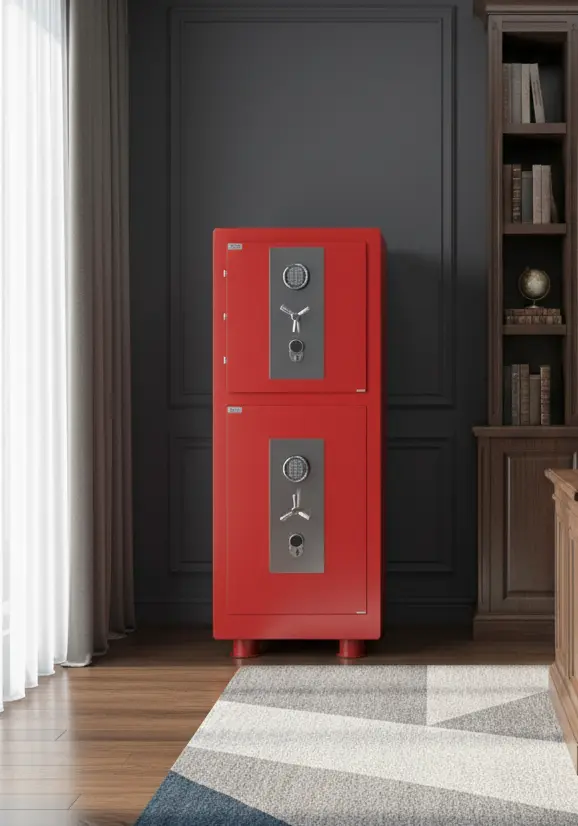
When choosing a door lock, it’s essential to consider the level of fire and burglary resistance you require. Fire resistance refers to the lock’s ability to withstand high temperatures and prevent the spread of fire. Burglary resistance refers to the lock’s ability to withstand forced entry and prevent break-ins.
There are several standards for fire and burglary resistance, including the UL fire rating and the European EN 1143-1 standard. The UL fire rating measures the lock’s ability to withstand high temperatures, while the European EN 1143-1 standard measures the lock’s ability to withstand forced entry.
When choosing a door lock, it’s essential to consider the level of fire and burglary resistance you require. If you need a high level of security, you may want to choose a lock with advanced features such as anti-pick pins or a deadbolt.
Tips for Choosing the Right Door Lock
When choosing a door lock, there are several tips to keep in mind. First, consider the level of security you require. If you need a high level of security, you may want to choose a lock with advanced features such as anti-pick pins or a deadbolt.
Second, consider the type of door you have. Different types of doors require different types of locks, so it’s essential to choose a lock that is designed specifically for your door type. Third, consider the maintenance requirements of the lock. Some locks require regular maintenance, such as lubricating the lock or replacing the batteries.
Finally, consider the price of the lock. Door locks can range in price from a few hundred dollars to several thousand dollars, depending on the level of security and features. To get the best value for your money, it’s essential to consider your needs and choose a lock that meets those needs.
Choose the Right Lock Type
Choose a lock that is designed specifically for your door type. Different types of doors require different types of locks, so it’s essential to choose a lock that is designed for your door type.
Consider Maintenance Requirements
Consider the maintenance requirements of the lock. Some locks require regular maintenance, such as lubricating the lock or replacing the batteries. Choose a lock that has minimal maintenance requirements to ensure it functions correctly.
Check the Price
Check the price of the lock. Door locks can range in price from a few hundred dollars to several thousand dollars, depending on the level of security and features. Choose a lock that meets your needs and budget.
Comparison of Lock Mechanisms
When choosing a door lock, it’s essential to consider the lock mechanism. There are several types of lock mechanisms, including mechanical, electronic, and biometric. Each type of lock mechanism has its own strengths and weaknesses, and choosing the right one can make all the difference in the security of your property.
Mechanical locks are the most traditional type of lock and use a key to open and close the lock. Electronic locks use a keypad or card reader to open and close the lock, while biometric locks use fingerprint or facial recognition technology to open and close the lock.
When choosing a lock mechanism, it’s essential to consider the level of security you require. If you need a high level of security, you may want to choose a biometric lock or a lock with advanced features such as anti-pick pins or a deadbolt.
Mechanical Dial
Electronic Keypad
Biometric Fingerprint
Product Features to Consider
When choosing a door lock, there are several product features to consider. One of the most important features is the level of security the lock provides. If you need a high level of security, you may want to choose a lock with advanced features such as anti-pick pins or a deadbolt.
Another important feature is the type of lock mechanism. Mechanical locks are the most traditional type of lock and use a key to open and close the lock. Electronic locks use a keypad or card reader to open and close the lock, while biometric locks use fingerprint or facial recognition technology to open and close the lock.
Additionally, you may want to consider the maintenance requirements of the lock. Some locks require regular maintenance, such as lubricating the lock or replacing the batteries. Choose a lock that has minimal maintenance requirements to ensure it functions correctly.
Mechanical Lock
- BuildMechanical
- ProtectsAgainst forced entry
- Best ForResidential use
- WeaknessCan be picked
Biometric Lock
- BuildBiometric
- ProtectsAgainst forced entry and unauthorized access
- Best ForCommercial use
- WeaknessCan be expensive
Debunking Common Myths
There are several common myths about door locks that can be misleading. One of the most common myths is that all door locks are created equal. However, this is not the case. Different types of door locks have different levels of security and features, and choosing the right one can make all the difference in the security of your property.
Another common myth is that door locks are only for residential use. However, this is not the case. Door locks can be used for commercial and industrial purposes as well, and choosing the right one can help to protect your business and assets.
It’s also important to debunk the myth that door locks are only for preventing break-ins. While this is one of the primary functions of a door lock, it’s not the only one. Door locks can also help to prevent unauthorized access, protect against fires, and provide a sense of security and peace of mind.
This is not the case. Different types of door locks have different levels of security and features, and choosing the right one can make all the difference in the security of your property. For example, a biometric lock may provide a higher level of security than a mechanical lock, but it may also be more expensive.
This is not the case. Door locks can be used for commercial and industrial purposes as well, and choosing the right one can help to protect your business and assets. For example, a commercial door lock may have advanced features such as keyless entry and access control.
This is not the case. While preventing break-ins is one of the primary functions of a door lock, it’s not the only one. Door locks can also help to prevent unauthorized access, protect against fires, and provide a sense of security and peace of mind. For example, a door lock with a fire-resistant rating can help to protect your property in the event of a fire.
Buyer Recommendations
When choosing a door lock, it’s essential to consider your needs and budget. If you’re a residential user, you may want to choose a mechanical lock or a biometric lock. If you’re a commercial user, you may want to choose a lock with advanced features such as keyless entry and access control.
It’s also important to consider the level of security you require. If you need a high level of security, you may want to choose a lock with advanced features such as anti-pick pins or a deadbolt. Additionally, you may want to consider the maintenance requirements of the lock and choose a lock that has minimal maintenance requirements.
Finally, it’s essential to choose a reputable brand and consider the warranty and customer support offered. A good warranty and customer support can provide peace of mind and ensure that you’re protected in case anything goes wrong with the lock.
A mechanical lock is a good choice for residential users who need a basic level of security. It’s easy to use and maintain, and it’s relatively affordable.
A biometric lock is a good choice for commercial users who need a high level of security. It’s highly secure and convenient, and it can be integrated with other security systems.
A lock with advanced features such as anti-pick pins or a deadbolt is a good choice for users who need a high level of security. It’s highly secure and can provide peace of mind.
Security Grades
When choosing a door lock, it’s essential to consider the security grade. The security grade refers to the lock’s ability to withstand forced entry and unauthorized access. There are several security grades, including RSC, TL-15, and TL-30.
RSC is a basic security grade that provides protection against basic tools and forced entry. TL-15 is a higher security grade that provides protection against power tools and forced entry. TL-30 is the highest security grade that provides protection against advanced tools and forced entry.
When choosing a door lock, it’s essential to consider the security grade and choose a lock that meets your needs. A lock with a high security grade can provide peace of mind and protect your property against unauthorized access.
Basic Security Grade
Provides protection against basic tools and forced entry. Suitable for residential use.
Medium Security Grade
Provides protection against power tools and forced entry. Suitable for commercial use.
High Security Grade
Provides protection against advanced tools and forced entry. Suitable for high-security applications.
Get the Right Door Lock for Your Needs
Choosing the right door lock can make all the difference in the security of your property. With so many options available, it’s essential to consider your needs and budget. Whether you’re a residential user, a commercial user, or a high-security user, there’s a door lock out there that’s right for you.
By considering the level of security you require, the type of door you have, and the maintenance requirements of the lock, you can choose a door lock that meets your needs and provides peace of mind. Additionally, by choosing a reputable brand and considering the warranty and customer support offered, you can ensure that you’re protected in case anything goes wrong with the lock.
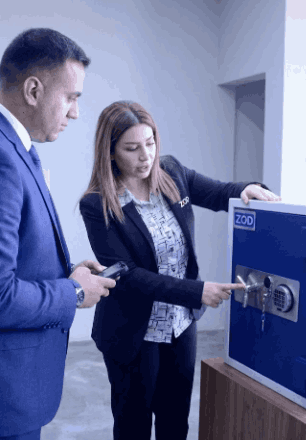
Contact ZOD Safe & Lock today for a free consultation and site visit.
Frequently Asked Questions
A mechanical lock or a biometric lock is a good choice for residential use, depending on your needs and budget. Mechanical locks are easy to use and maintain, while biometric locks provide a high level of security and convenience.
A mechanical lock uses a key to open and close the lock, while an electronic lock uses a keypad or card reader to open and close the lock. Electronic locks are often more convenient than mechanical locks, but they may require more maintenance and have a higher risk of malfunction.
The best way to maintain your door lock is to regularly lubricate the lock and check for any signs of wear and tear. You should also consider replacing the batteries if your lock is electronic, and check the lock’s warranty and customer support in case anything goes wrong.
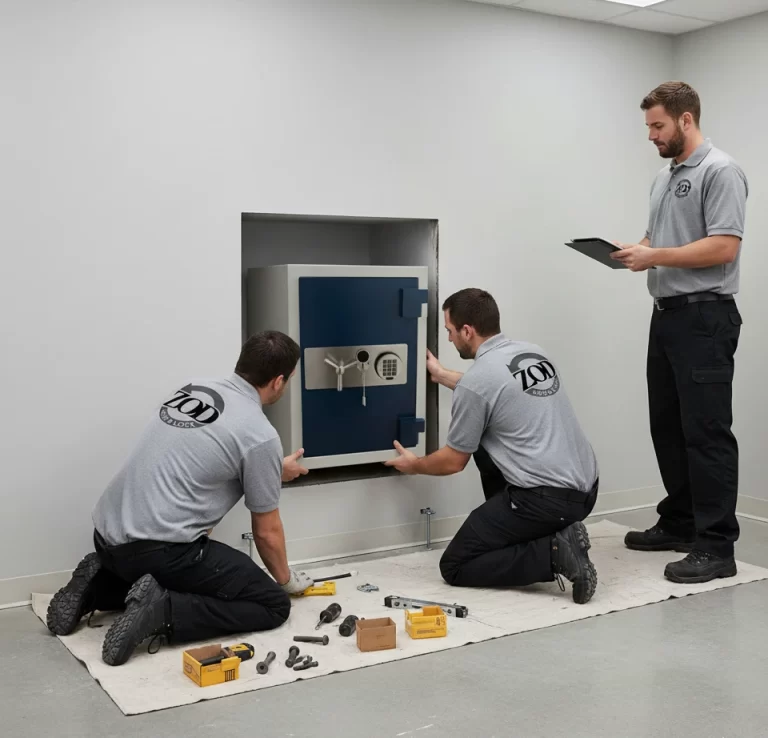
While it’s possible to install a door lock yourself, it’s often recommended to hire a professional to ensure that the lock is installed correctly and securely. A professional can also provide you with advice on the best type of lock for your needs and budget.
The warranty and customer support for door locks can vary depending on the brand and type of lock. It’s essential to choose a reputable brand that offers a good warranty and customer support, in case anything goes wrong with the lock.