Door Locks Lebanon: Secure Your Property
As a property owner in Lebanon, you understand the importance of securing your home or business. With over 350,000 clients served, and over 10,000 safes installed across Lebanon and the MENA region, it’s clear that security is a top priority.
In today’s world, door locks are more than just a simple mechanism to open and close doors. They are a crucial part of a property’s overall security system, and can be the difference between safety and vulnerability. In this article, we will explore the world of door locks in Lebanon, and provide you with the knowledge and expertise to make informed decisions about your property’s security.
Understanding Door Locks
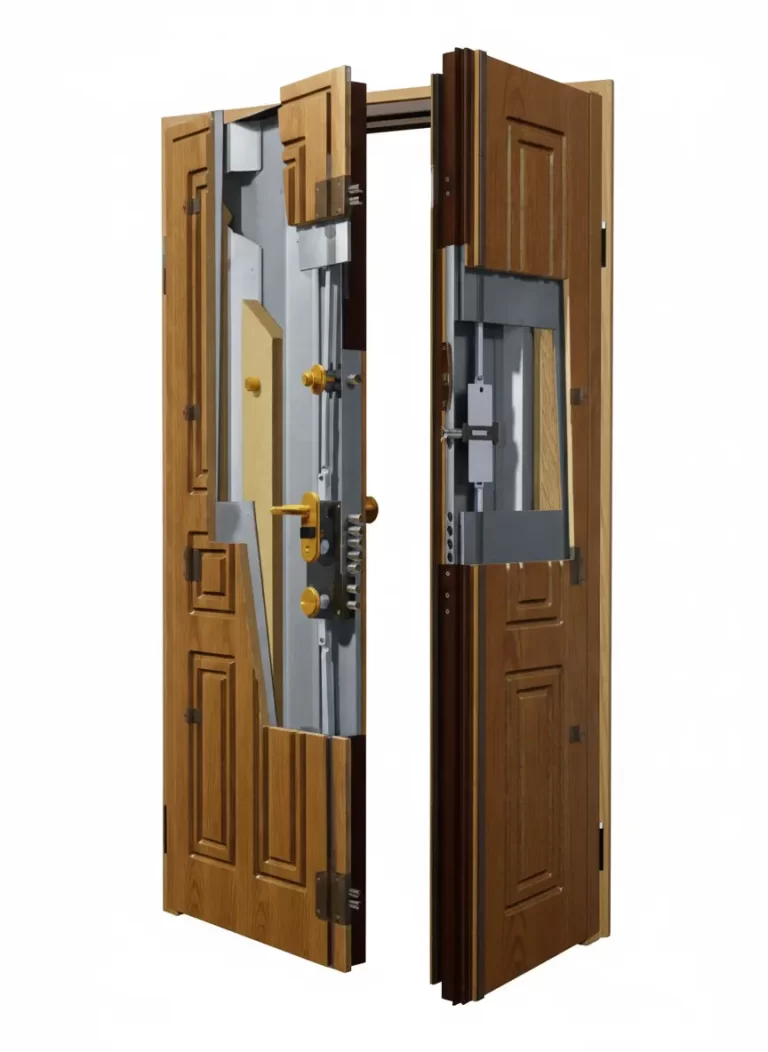
Door locks come in a variety of shapes, sizes, and types, each with its own unique features and benefits. From traditional mechanical locks to modern electronic and biometric locks, there are many options to choose from. However, with so many choices, it can be difficult to determine which type of lock is best for your property.
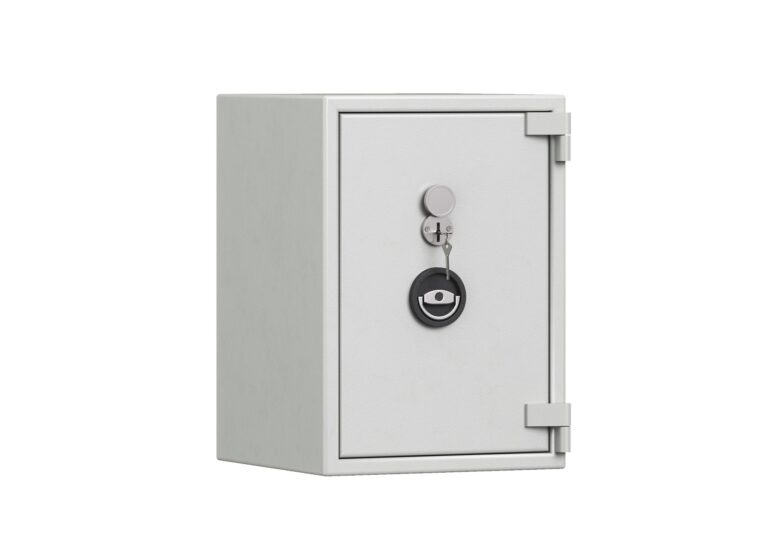
One of the most important factors to consider when choosing a door lock is the level of security it provides. In Lebanon, where crime rates are relatively high, it’s essential to have a lock that can withstand various types of attacks, including picking, bumping, and forced entry. Look for locks that have been tested and certified to international standards, such as the European EN 1143-1 standard.
Another important factor to consider is the lock’s durability and reliability. A good quality lock should be able to withstand the elements, as well as heavy use and wear and tear. Look for locks made from high-quality materials, such as solid steel or brass, and that have a reputation for being reliable and long-lasting.
Types of Door Locks
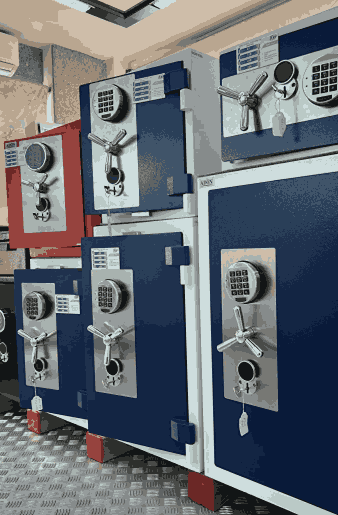
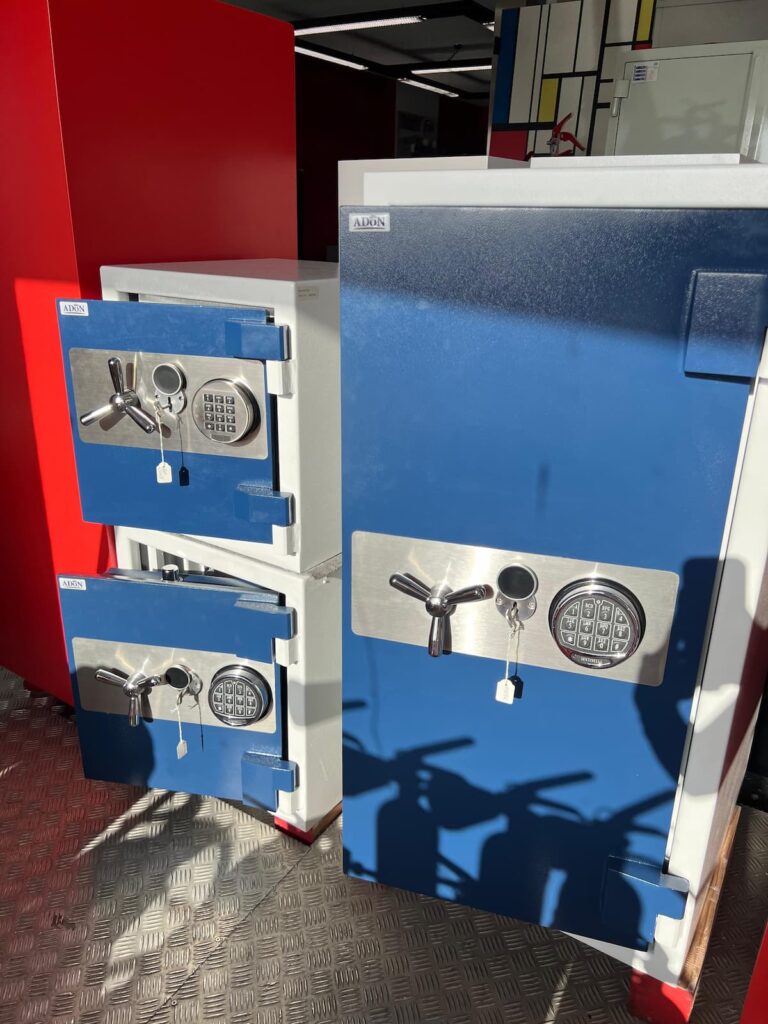
There are several types of door locks available in Lebanon, each with its own unique features and benefits. Mechanical locks, for example, are a popular choice for many property owners, due to their simplicity and reliability. Electronic locks, on the other hand, offer a higher level of security and convenience, with features such as keyless entry and remote monitoring.
Biometric locks, which use fingerprint or facial recognition technology, are also becoming increasingly popular, due to their high level of security and convenience. These locks are ideal for properties that require a high level of security, such as businesses or government buildings.
When choosing a door lock, it’s essential to consider the specific needs of your property. For example, if you have a large family or a busy office, you may want to consider a lock with a high level of durability and reliability. If you have valuable assets or sensitive information, you may want to consider a lock with a high level of security and anti-tamper features.
Mechanical Locks
- 👍Simple and reliable
- 👍Low maintenance
- 👍Affordable
- 👍Wide range of options
Electronic Locks
- 👍High level of security
- 👍Convenient keyless entry
- 👍Remote monitoring
- 👍Customizable access control
Common Mistakes to Avoid
When it comes to door locks, there are several common mistakes that property owners in Lebanon make. One of the most common mistakes is choosing a lock that is not suitable for the property’s specific needs. For example, a lock that is designed for a residential property may not be suitable for a commercial property, and vice versa.
Another common mistake is not properly maintaining the lock. This can include not lubricating the lock regularly, not cleaning the lock, and not checking the lock for wear and tear. Failure to maintain the lock can lead to a range of problems, including jamming, rusting, and even complete lock failure.
A third common mistake is not considering the lock’s compatibility with other security systems. For example, a lock that is not compatible with a property’s alarm system or CCTV cameras can be a major security risk. It’s essential to choose a lock that is compatible with all of your property’s security systems, to ensure maximum security and convenience.
Choosing a lock that is not suitable for your property’s specific needs can be a major security risk. Make sure to choose a lock that is designed for your property type, and that has the features and benefits you need.
Failing to maintain your lock can lead to a range of problems, including jamming, rusting, and even complete lock failure. Make sure to lubricate, clean, and check your lock regularly, to ensure it continues to function properly.
Choosing a lock that is not compatible with your property’s other security systems can be a major security risk. Make sure to choose a lock that is compatible with your alarm system, CCTV cameras, and other security devices, to ensure maximum security and convenience.
Fire and Burglary Resistance
When it comes to door locks, fire and burglary resistance are two of the most important factors to consider. A lock that is resistant to fire and burglary can provide an added layer of security and protection for your property and its contents.
In Lebanon, where fires and burglaries are a common occurrence, it’s essential to choose a lock that has been tested and certified to international standards. Look for locks that have a high level of fire resistance, such as those with a UL fire rating of 30 minutes or more.
It’s also essential to choose a lock that has a high level of burglary resistance. Look for locks that have been tested and certified to international standards, such as the European EN 1143-1 standard. A lock that is resistant to picking, bumping, and forced entry can provide an added layer of security and protection for your property and its contents.
Tips for Choosing the Right Lock
Choosing the right lock for your property can be a daunting task, especially with so many options available. However, by following a few simple tips, you can ensure that you choose a lock that meets your property’s specific needs.
Firstly, consider the level of security you need. If you have valuable assets or sensitive information, you may want to consider a lock with a high level of security and anti-tamper features. Secondly, consider the type of property you have. For example, if you have a residential property, you may want to consider a lock that is designed for residential use.
Thirdly, consider the lock’s compatibility with other security systems. Make sure to choose a lock that is compatible with your alarm system, CCTV cameras, and other security devices. Finally, consider the lock’s durability and reliability. Choose a lock that is made from high-quality materials and has a reputation for being reliable and long-lasting.
Research
Research different types of locks and their features, to determine which one is best for your property.
Compare
Compare different locks and their features, to determine which one provides the best value for money.
Consider Security
Consider the level of security you need, and choose a lock that meets or exceeds that level.
Comparing Lock Mechanisms
When it comes to door locks, there are several different mechanisms to choose from. Mechanical locks, electronic locks, and biometric locks are just a few examples. Each type of lock has its own unique features and benefits, and choosing the right one can be a daunting task.
Mechanical locks are a popular choice for many property owners, due to their simplicity and reliability. Electronic locks, on the other hand, offer a higher level of security and convenience, with features such as keyless entry and remote monitoring. Biometric locks, which use fingerprint or facial recognition technology, are also becoming increasingly popular, due to their high level of security and convenience.
When comparing lock mechanisms, it’s essential to consider the specific needs of your property. For example, if you have a large family or a busy office, you may want to consider a lock with a high level of durability and reliability. If you have valuable assets or sensitive information, you may want to consider a lock with a high level of security and anti-tamper features.
Mechanical Dial
Electronic Keypad
Biometric Fingerprint
Product Features to Consider
When choosing a door lock, there are several product features to consider. One of the most important features is the lock’s level of security. Look for locks that have been tested and certified to international standards, such as the European EN 1143-1 standard.
Another important feature to consider is the lock’s durability and reliability. Choose a lock that is made from high-quality materials and has a reputation for being reliable and long-lasting. Consider the lock’s compatibility with other security systems, such as alarm systems and CCTV cameras.
Finally, consider the lock’s convenience features, such as keyless entry and remote monitoring. These features can provide an added layer of convenience and flexibility, making it easier to manage access to your property.
Mechanical Lock
- Build Solid steel construction
- Protects Against picking and bumping
- Best For Residential properties
- Weakness Limited security features
Electronic Lock
- Build High-quality electronic components
- Protects Against unauthorized access
- Best For Commercial properties
- Weakness Requires battery replacement
Debunking Common Myths
There are several common myths surrounding door locks that can be misleading and confusing. One of the most common myths is that all locks are created equal. However, this is not the case, as different locks have different levels of security, durability, and reliability.
Another common myth is that electronic locks are less secure than mechanical locks. However, this is not necessarily true, as electronic locks can provide a higher level of security and convenience than mechanical locks.
A third common myth is that biometric locks are not reliable. However, this is not the case, as biometric locks can provide a high level of security and convenience, and are becoming increasingly popular.
This is not the case, as different locks have different levels of security, durability, and reliability. Choosing the right lock for your property can make a big difference in terms of security and convenience.
This is not necessarily true, as electronic locks can provide a higher level of security and convenience than mechanical locks. Electronic locks can be programmed to allow access to specific individuals, and can be monitored remotely.
This is not the case, as biometric locks can provide a high level of security and convenience, and are becoming increasingly popular. Biometric locks use fingerprint or facial recognition technology to authenticate users, and can be more secure than traditional locks.
Buyer Recommendations
When it comes to buying a door lock, there are several factors to consider. One of the most important factors is the level of security you need. If you have valuable assets or sensitive information, you may want to consider a lock with a high level of security and anti-tamper features.
Another important factor to consider is the type of property you have. For example, if you have a residential property, you may want to consider a lock that is designed for residential use. If you have a commercial property, you may want to consider a lock that is designed for commercial use.
Finally, consider the lock’s durability and reliability. Choose a lock that is made from high-quality materials and has a reputation for being reliable and long-lasting. Consider the lock’s compatibility with other security systems, such as alarm systems and CCTV cameras.
A mechanical lock is a good choice for residential properties, as it provides a high level of security and durability. Look for a lock that is made from solid steel construction and has a reputation for being reliable and long-lasting.
An electronic lock is a good choice for commercial properties, as it provides a high level of security and convenience. Look for a lock that is made from high-quality electronic components and has a reputation for being reliable and long-lasting.
A biometric lock is a good choice for properties that require a high level of security, as it provides a high level of security and convenience. Look for a lock that uses fingerprint or facial recognition technology and has a reputation for being reliable and long-lasting.
Security Grades
When it comes to door locks, security grades are an important factor to consider. Security grades refer to the level of security that a lock provides, and can range from basic to high-security.
In Lebanon, the most common security grades are RSC, TL-15, and TL-30. RSC stands for “residential security container,” and refers to a lock that provides a basic level of security. TL-15 and TL-30 stand for “tool-resistant” and “torch-resistant,” and refer to locks that provide a higher level of security.
When choosing a door lock, it’s essential to consider the security grade that you need. If you have valuable assets or sensitive information, you may want to consider a lock with a high security grade, such as TL-30. If you have a residential property, you may want to consider a lock with a basic security grade, such as RSC.
Residential Security Container
A basic level of security, suitable for residential properties. Provides protection against picking and bumping, but may not be suitable for properties that require a high level of security.
Tool-Resistant
A medium level of security, suitable for commercial properties. Provides protection against picking, bumping, and tool attacks, but may not be suitable for properties that require a high level of security.
Torch-Resistant
A high level of security, suitable for properties that require a high level of security. Provides protection against picking, bumping, tool attacks, and torch attacks, and is suitable for properties that require a high level of security.
Secure Your Property Today
Choosing the right door lock for your property can be a daunting task, but by considering the factors outlined in this article, you can make an informed decision. Remember to consider the level of security you need, the type of property you have, and the lock’s durability and reliability.
Contact ZOD Safe & Lock today for a free consultation and site visit.
Frequently Asked Questions
The best type of door lock for your property will depend on your specific needs and requirements. Consider the level of security you need, the type of property you have, and the lock’s durability and reliability.
When choosing a door lock, consider its compatibility with your other security systems, such as alarm systems and CCTV cameras. Look for locks that are designed to work with your existing security systems, or consider upgrading to a new system that includes a door lock.
A mechanical lock uses a physical key to open and close the lock, while an electronic lock uses a keypad or biometric authentication to open and close the lock. Electronic locks can provide a higher level of security and convenience than mechanical locks, but may require more maintenance and upkeep.
To maintain your door lock, make sure to lubricate it regularly, clean it, and check it for wear and tear. Consider hiring a professional to inspect and maintain your lock on a regular basis, especially if you have a high-security lock.
The average cost of a door lock in Lebanon can vary depending on the type and quality of the lock, as well as the installation costs. Expect to pay anywhere from a few hundred to several thousand dollars for a high-quality door lock.