Door Locks Lebanon: Securing Your Property
As a property owner in Lebanon, you understand the importance of securing your home or business. With over 350,000 clients served and 15+ industry awards, it’s clear that security is a top priority for many Lebanese residents.
Door locks are a crucial aspect of property security, and with the right locks, you can significantly reduce the risk of break-ins and protect your valuables.
Understanding Door Locks
Door locks come in various types, each with its unique features and benefits. From mechanical dial locks to electronic keypads and biometric fingerprint locks, the options can be overwhelming. However, understanding the different types of locks and their characteristics is essential in making an informed decision.
When choosing a door lock, consider factors such as reliability, access speed, and longevity. A reliable lock should be able to withstand various environmental conditions and last for an extended period. Access speed is also crucial, as it determines how quickly you can enter or exit your property.
In addition to these factors, it’s essential to consider the level of security you need. If you have valuable items or sensitive information, you may require a more advanced lock with additional security features.
Choosing the Right Door Lock
With so many door locks available in the market, choosing the right one can be challenging. To make the process easier, consider creating a checklist of your requirements. This should include factors such as budget, security level, and ease of use.
Another essential aspect to consider is the type of door you have. Different doors require different types of locks, so it’s crucial to choose a lock that is compatible with your door.
Additionally, consider the level of maintenance required for the lock. Some locks may require more frequent maintenance than others, so it’s essential to choose a lock that fits your lifestyle.
Lock Type
- ✓Mechanical dial lock for high security
- ✓Electronic keypad lock for convenience
- ✓Biometric fingerprint lock for advanced security
- ✓Smart lock for remote access
Lock Features
- ✓Keyless entry for convenience
- ✓Alarm system for added security
- ✓Weather resistance for durability
- ✓Easy installation for DIY
Common Mistakes to Avoid
When choosing a door lock, there are several common mistakes to avoid. One of the most significant mistakes is not considering the level of security you need. This can lead to choosing a lock that is not suitable for your property, leaving you vulnerable to break-ins.
Another mistake is not researching the lock’s features and benefits. This can lead to choosing a lock that does not meet your needs, resulting in frustration and disappointment.
Additionally, not considering the lock’s compatibility with your door can lead to installation issues and reduced security.
Choosing a lock with insufficient security features can leave your property vulnerable to break-ins. To avoid this, consider the level of security you need and choose a lock that meets those needs.
Choosing a lock that is not compatible with your door can lead to installation issues and reduced security. To avoid this, consider the type of door you have and choose a lock that is compatible.
Not researching the lock’s features and benefits can lead to choosing a lock that does not meet your needs. To avoid this, take the time to research the lock’s features and benefits before making a decision.
Fire and Burglary Resistance
Door locks can provide resistance to fire and burglary, giving you added protection and peace of mind. Fire-resistant locks can withstand high temperatures, protecting your property from fire damage.
Burglary-resistant locks can withstand various types of attacks, including forced entry and tampering. These locks are designed to provide an additional layer of security, giving you confidence in your property’s safety.
When choosing a door lock, consider its fire and burglary resistance. Look for locks that have been tested to international standards, such as UL fire ratings and European EN 1143-1 grades.
Tips for Maintaining Your Door Lock
Maintaining your door lock is essential to ensure its longevity and performance. Regularly cleaning and lubricating the lock can help prevent wear and tear, keeping it functioning smoothly.
Additionally, checking the lock’s bolts and screws regularly can help prevent loose connections, ensuring the lock remains secure.
It’s also essential to consider the lock’s compatibility with your door and surrounding environment. Choosing a lock that is resistant to weather conditions and corrosion can help extend its lifespan.
Cleaning and Lubrication
Regularly cleaning and lubricating your door lock can help prevent wear and tear, keeping it functioning smoothly. Use a soft cloth and mild soap to clean the lock, and apply a silicone-based lubricant to keep the moving parts running smoothly.
Bolt and Screw Check
Regularly checking the lock’s bolts and screws can help prevent loose connections, ensuring the lock remains secure. Use a screwdriver to tighten any loose screws, and consider replacing any damaged or worn-out bolts.
Weather Resistance
Choosing a lock that is resistant to weather conditions and corrosion can help extend its lifespan. Consider a lock with a weather-resistant coating or a lock that is designed for outdoor use.
Comparing Door Locks
When comparing door locks, it’s essential to consider the different types and their features. Mechanical dial locks offer high security, while electronic keypads provide convenience and ease of use.
Biometric fingerprint locks offer advanced security, while smart locks provide remote access and smart home integration.
Consider your specific needs and choose a lock that meets those needs. Research the lock’s features and benefits, and read reviews from other customers to get a better understanding of the lock’s performance.
High Security
Mechanical dial locks offer high security and are ideal for properties that require advanced security features. They are also relatively low maintenance and can withstand various environmental conditions.
Convenience and Ease of Use
Electronic keypad locks provide convenience and ease of use, making them ideal for properties that require quick and easy access. They are also relatively low maintenance and can be programmed with multiple user codes.
Lock Mechanisms
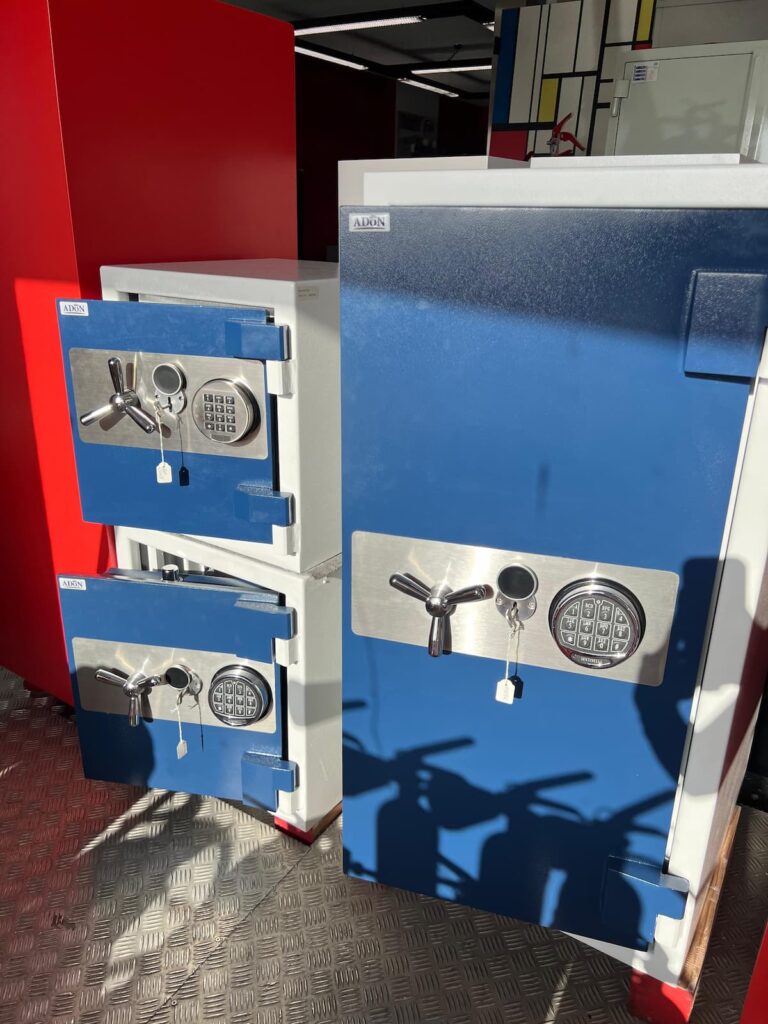
Lock mechanisms are a crucial aspect of door locks, providing the necessary security and functionality. Mechanical dial locks use a mechanical dial to enter the combination, while electronic keypads use a keypad to enter the code.
Biometric fingerprint locks use a fingerprint reader to authenticate the user, providing advanced security and convenience.
Smart locks use a combination of mechanical and electronic components to provide remote access and smart home integration.
Mechanical Dial
Electronic Keypad
Biometric Fingerprint
Product Features
When choosing a door lock, consider the product features that are important to you. Some locks may offer additional features such as keyless entry, alarm systems, or weather resistance.
Consider the level of security you need and choose a lock that meets those needs. Research the lock’s features and benefits, and read reviews from other customers to get a better understanding of the lock’s performance.
Additionally, consider the lock’s compatibility with your door and surrounding environment. Choosing a lock that is resistant to weather conditions and corrosion can help extend its lifespan.
Mechanical Dial Lock
- BuildHigh-quality steel construction
- ProtectsAgainst forced entry and tampering
- Best ForProperties that require high security
- WeaknessMay require more maintenance than electronic locks
Electronic Keypad Lock
- BuildHigh-quality electronic components
- ProtectsAgainst unauthorized access
- Best ForProperties that require convenience and ease of use
- WeaknessMay be vulnerable to hacking or electronic attacks
Myths About Door Locks
There are several myths about door locks that can be misleading. One common myth is that all door locks are created equal, which is not true. Different locks offer different levels of security, and choosing the right lock for your property is essential.
Another myth is that door locks are maintenance-free, which is also not true. Regular maintenance is necessary to ensure the lock’s longevity and performance.
Additionally, some people believe that smart locks are always more secure than traditional locks, which is not necessarily true. While smart locks offer advanced security features, they can also be vulnerable to hacking or electronic attacks.
This is not true, as different locks offer different levels of security. Choosing the right lock for your property is essential to ensure its safety and security.
This is not true, as regular maintenance is necessary to ensure the lock’s longevity and performance. Cleaning and lubricating the lock, as well as checking the bolts and screws, can help prevent wear and tear.
This is not necessarily true, as while smart locks offer advanced security features, they can also be vulnerable to hacking or electronic attacks. Choosing a lock that meets your specific needs and taking necessary precautions to secure it is essential.
Buyer Recommendations
When choosing a door lock, consider your specific needs and choose a lock that meets those needs. Research the lock’s features and benefits, and read reviews from other customers to get a better understanding of the lock’s performance.
Additionally, consider the lock’s compatibility with your door and surrounding environment. Choosing a lock that is resistant to weather conditions and corrosion can help extend its lifespan.
For homeowners, a mechanical dial lock or electronic keypad lock may be a good option, as they offer high security and convenience. For businesses, a smart lock or biometric fingerprint lock may be a better option, as they offer advanced security features and remote access.
A mechanical dial lock or electronic keypad lock is a good option for homeowners, as they offer high security and convenience. They are also relatively low maintenance and can withstand various environmental conditions.
A smart lock or biometric fingerprint lock is a good option for businesses, as they offer advanced security features and remote access. They are also relatively low maintenance and can withstand various environmental conditions.
A high-security lock is a good option for large properties, as they offer advanced security features and high durability. They are also relatively low maintenance and can withstand various environmental conditions.
Security Grades
Door locks are graded according to their level of security, with different grades offering different levels of protection. The European EN 1143-1 standard grades locks from Grade I to Grade VI, with Grade I being the lowest level of security and Grade VI being the highest.
In the US, the UL standard grades locks from RSC to TL-30, with RSC being the lowest level of security and TL-30 being the highest.
Choosing a lock that meets your specific needs and security requirements is essential to ensure your property’s safety and security.
Basic Residential Security
This grade offers basic security features and is suitable for residential properties. It provides protection against minor attacks and tampering.
Medium Commercial Security
This grade offers medium-level security features and is suitable for small commercial properties. It provides protection against moderate attacks and tampering.
High Commercial Security
This grade offers high-level security features and is suitable for large commercial properties. It provides protection against major attacks and tampering.
Secure Your Property with the Right Door Lock
Choosing the right door lock for your property is essential to ensure its safety and security. Consider your specific needs and choose a lock that meets those needs. Research the lock’s features and benefits, and read reviews from other customers to get a better understanding of the lock’s performance.
Contact ZOD Safe & Lock today for a free consultation and site visit.
Frequently Asked Questions
The best type of door lock for your home depends on your specific needs and security requirements. Consider factors such as budget, security level, and ease of use when choosing a lock.
Regular maintenance is necessary to ensure the lock’s longevity and performance. Clean and lubricate the lock regularly, and check the bolts and screws to prevent loose connections.
While it is possible to install a door lock yourself, it is recommended to hire a professional locksmith to ensure proper installation and security.
A mechanical dial lock uses a mechanical dial to enter the combination, while an electronic keypad lock uses a keypad to enter the code. Mechanical dial locks offer high security, while electronic keypad locks provide convenience and ease of use.
Choose a door lock that meets your business’s specific needs and security requirements. Consider factors such as budget, security level, and ease of use, and research the lock’s features and benefits before making a decision.