How to Choose the Right Safe Box: The Ultimate Buyer’s Guide
Comprehensive guide to choosing the perfect safe for your security needs in the MENA region
In an era of increasing regional instability and economic uncertainty, the physical security of your most valuable assets remains a critical priority. Whether you are protecting family heirlooms, vital legal documents, firearms, or emergency cash reserves, the decision to invest in high-quality security storage is a step toward genuine peace of mind.
However, choosing the wrong safe can be worse than having no safe at all, creating a false sense of security that crumbles when protection is needed most. This comprehensive guide will walk you through everything you need to know about selecting the perfect security solution for your home or business in the MENA region.
1. Assessing Your Asset Portfolio: What Goes Inside?
The first step in choosing the right safe box is conducting a thorough inventory of what you intend to protect. Different assets require different types of protection.
Categorize your items into three main groups:
- Documents & Drives: Property deeds, passports, legal documents, birth certificates, hard drives, and vital records. These require protection from fire and heat, but typically do not require the highest level of burglary ratings unless they contain sensitive information with black-market value.
- High-Value Valuables: Jewelry, gold, cash reserves, precious metals, and luxury items. These items are primary targets for sophisticated thieves. Fire protection is secondary; the priority here is heavy steel construction with advanced locking mechanisms.
2. Understanding Fire Ratings and Heat Resistance
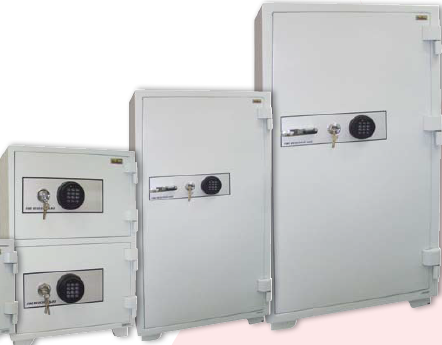
Certified fire-resistant safes use specialized insulation to protect contents from extreme heat
One of the most complex aspects of purchasing a safe is understanding fire ratings and certifications. A “fireproof” label is often marketing language unless it is backed by certification from independent testing bodies and clearly specifies the protection duration and temperature resistance.
Fire Endurance Certification Standards
Quality fire-resistant safes undergo rigorous testing to verify their protection capabilities. Look for safes with clear fire endurance ratings that specify both the duration of protection and the maximum external temperature they can withstand. For example, a 1.5-hour fire endurance rating indicates the safe can maintain safe internal temperatures for 90 minutes while exposed to extreme external heat.
3. Understanding Burglary Ratings and Security Certifications
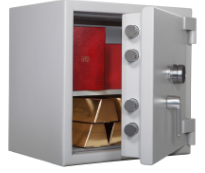
Certified anti-theft safes feature thick steel construction designed to resist professional attacks
If your primary concern is theft prevention, the construction quality and certification standards of the safe are paramount. The thickness of the steel walls, the complexity of the locking mechanism, and independent testing certifications define how long a determined burglar will be delayed. In the security industry, time is the enemy of the thief.
Entry-level safes typically offer basic protection adequate for keeping out opportunistic burglars or preventing unauthorized access by children, but provide limited defense against determined attackers with power tools and proper training. For serious protection, look for independently certified safes that have undergone rigorous testing.
European EN 1143-1 Security Grades
In the MENA region and internationally, the European EN 1143-1 standard is widely recognized for burglary resistance. This certification uses Resistance Units (RU) to measure protection levels:
30/50 RU Protection
Entry-level certified protection ideal for home and small business use. Tested to resist common burglary tools and techniques, providing reliable security for moderate-value contents.
50-120 RU Protection
Enhanced protection for valuable assets. These intermediate grades offer substantially increased resistance against sophisticated burglary attempts, suitable for commercial applications and high-value residential storage.
120-270 RU Protection
Maximum security for critical valuables. These highest certification grades provide extreme resistance against professional attacks using advanced tools and techniques, representing the peak of civilian security safe technology.
4. Locking Mechanisms: Balancing Accessibility and Security
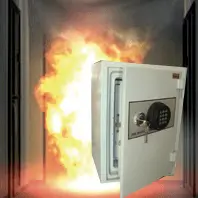
Modern certified safes combine fire protection with advanced locking mechanisms for comprehensive security
How you access your safe is as important as what protects it. Modern security safes come with three primary types of locking mechanisms, each with distinct advantages:
Mechanical Dial
Electronic Keypad
Biometric
Mechanical Dial Locks
Mechanical Dial Locks are highly reliable, long-lasting, and power-free, making them immune to electronic failures and EMP events. While extremely durable and secure, they are slower to open, require precise operation, and usually need a professional to change the combination.
Electronic Keypad Locks
Electronic Keypad Locks offer quick, convenient access with easy code changes and features like lockout protection, backlit keys, and audit trails on advanced models. Their main drawbacks are battery maintenance, long-term electronic wear, and potential vulnerability in lower-quality systems.
Biometric Locks
Biometric Locks provide instant, stress-free access without codes or keys and can store multiple fingerprints, making them ideal for quick-access needs. However, they are more expensive, battery-dependent, and prone to higher failure rates, especially with wet, damaged fingers or extreme temperatures.
5. Size and Capacity: Planning for Future Needs
One of the most common regrets among safe buyers is purchasing a unit that proves too small within the first year. When evaluating safes, you must distinguish between exterior dimensions and usable interior capacity.
Calculate the storage volume you think you need for your current valuables, then add at least 25-30% buffer capacity. You will inevitably acquire more items worth protecting once you have a secure storage location available, and adequate space prevents the need for premature safe replacement.
Capacity Planning Formula
Storage Needs
Growth Buffer
Capacity
6. Professional Installation: The Critical Anchor Point
A safe that is not properly anchored is not truly a safe; it becomes a portable container that can be removed from your property and opened elsewhere at the thief’s leisure. A common tactic used by experienced burglars is to use an appliance dolly or hand truck to wheel an entire safe out of the building, particularly during daytime hours when such activity appears less suspicious.
Regardless of weight, professional anchoring is absolutely essential.
- Experienced security installation specialists can evaluate your specific property and recommend optimal placement that balances accessibility with concealment and structural support.
7. Investment Planning: Proportional Protection Budgeting

Quality safe protection requires proportional investment relative to the value of contents
When selecting a safe, it’s essential to invest proportionally to the value of what you’re protecting. Relying on an inexpensive, low-quality safe to protect high-value contents represents a fundamentally disproportionate security risk that undermines the entire purpose of secure storage. For example, storing $50,000 worth of gold, jewelry, and irreplaceable heirlooms in a basic $200 retail safe provides only a false sense of security.
Quality safes from reputable manufacturers with proper certifications represent a long-term investment that can last multiple decades with proper maintenance. When evaluating cost, consider not just the initial purchase price but the total cost of ownership including professional installation, ongoing maintenance, potential insurance premium reductions for certified safes, and the genuine peace of mind that comes from knowing your valuables are properly protected.
Making the Right Choice for Your Security Needs
Choosing the right safe requires careful assessment of your specific threats, budget considerations, and accessibility requirements. By prioritizing the appropriate fire and burglary ratings for your particular assets, ensuring professional installation with proper anchoring, and implementing effective moisture control, you transform a simple metal container into a genuine security stronghold.
Remember that the fundamental goal of security safes is not merely to store items, but to buy critical time against disaster and theft while providing reliable protection for what matters most.
Frequently Asked Questions About Safe Selection
The primary distinction between home safes and bank safe deposit boxes involves a trade-off between accessibility and institutional security infrastructure. Bank vaults offer extremely high levels of physical protection with multiple security layers and are generally covered by the institution’s comprehensive security measures.
Home safes provide 24/7 immediate access to your valuables without scheduling constraints or bank closures. This is particularly important for items such as passports needed for unexpected travel, emergency cash reserves, medications, or defensive firearms that may be required at a moment’s notice.
Security safes are engineered to combat specific threats, and it is relatively uncommon to find a single unit offering maximum protection across all threat categories. Understanding your primary security concerns helps identify the appropriate safe type:
- Fire-Resistant Safes: Constructed with specialized fire-resistant composite materials and insulation designed to maintain safe internal temperatures during building fires. These are ideal for protecting irreplaceable documents, paper records, and certain valuables from fire damage.
- Burglary-Resistant Safes: Feature thick steel construction, reinforced bolt work, and sophisticated locking mechanisms specifically designed to resist physical attack. These prioritize theft protection over fire resistance.
- Combination Fire & Burglary Safes: Offer both fire insulation and enhanced burglary protection, representing the best overall protection for most residential and small business applications, though typically at higher cost.
- Gun Safes: Purpose-built units meeting specific requirements for secure firearms storage, often featuring quick-access mechanisms while maintaining proper security to prevent unauthorized access, particularly by children.
- Depository Safes: Feature a slot or drawer allowing deposits without opening the main compartment, commonly used in retail and hospitality environments for secure cash handling.
Understanding security certifications is essential for making informed safe purchasing decisions. The most authoritative standards come from independent testing organizations that subject safes to rigorous testing protocols to verify their claimed protection levels.
Burglary certifications measure resistance to forced entry using standardized tools and methods. The widely recognized European EN 1143-1 standard rates safes in Resistance Units (RU), from Grade I (30/50 RU) for basic protection to Grade V (180/270 RU) for high-level defense against professional attacks. While rating systems vary by region, higher grades always mean stronger, longer-lasting resistance.
Fire certifications define how long a safe can protect contents under extreme heat. For example, a 1.5-hour rating means the safe keeps internal temperatures safe for 90 minutes. Document safes stay below 350°F, while data safes remain under 125°F to protect electronics. Always rely on certifications from independent testing labs, not manufacturer claims.
Selecting the optimal locking mechanism depends on balancing your priorities between access speed, long-term reliability, and operational security. Each lock type offers distinct advantages for different use cases.
Mechanical dial locks are the most durable and reliable option, requiring no power and resisting electronic failures, but they are slower and harder to use under stress.
Electronic keypad locks provide faster access, easy code changes, and advanced features like multiple users and lockouts, though they require battery upkeep and eventual component replacement.
Biometric fingerprint locks offer the quickest access and no codes to remember, ideal for high-stress situations, but have higher failure rates and may struggle with wet or damaged fingerprints. Most include mechanical key overrides for backup.
Professional installation and proper anchoring are critical—an unanchored safe can simply be removed, negating even the highest security ratings. Heavy freestanding safes should be professionally anchored into concrete using masonry or expansion bolts for maximum protection.
Placement matters just as much. Avoid obvious spots like room closets or kitchen pots. Instead, choose discreet areas such as basement utility rooms, guest closets, or concealed installations behind furniture or false walls. Wall safes can be hidden behind artwork or panels, while floor safes can be concealed under carpeting.
Also consider structural support, ease of access, water exposure, and fire risk. Avoid exterior walls and flood-prone areas. A professional assessment helps balance concealment, safety, and daily usability.
Maximizing your safe’s utility requires understanding which items benefit most from secure storage and which might be damaged by safe environments or create access problems.
Priority items for safe storage include: Original identity documents (birth certificates, passports, social security cards), property deeds and titles, insurance policies, precious metals and jewelry, emergency cash reserves, backup hard drives with encrypted data, and family heirlooms.