Safes In Lebanon
With over 50 years of experience in the industry, it’s clear that safes play a vital role in protecting valuables and sensitive information in Lebanon.
As a property owner in Lebanon, it’s essential to consider investing in a safe to safeguard your assets, especially given the country’s history of instability and security concerns.
Understanding The Importance Of Safes
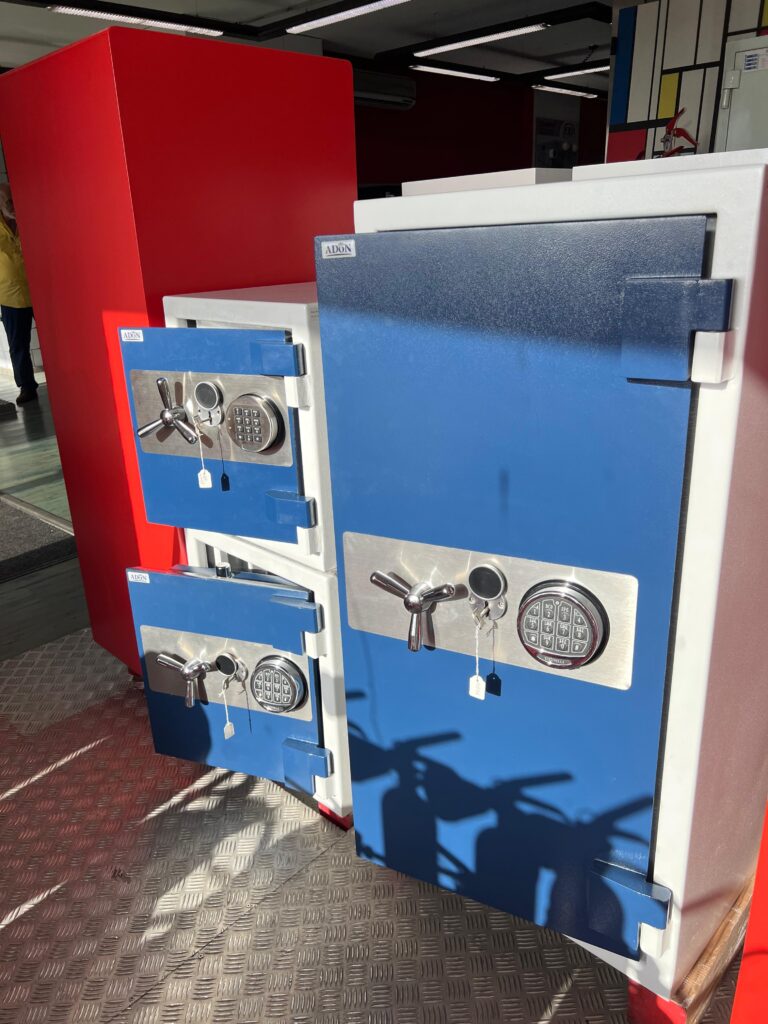
Safes are designed to provide a secure storage solution for valuable items such as documents, jewelry, and cash. They are constructed with robust materials and advanced locking mechanisms to prevent unauthorized access.
In Lebanon, where security is a top priority, safes are an essential investment for both residential and commercial properties. They can provide peace of mind for property owners, knowing that their valuables are protected from theft, fire, and other potential risks.
Moreover, safes can also help to protect sensitive information, such as business documents and personal data, from falling into the wrong hands. This is especially important for businesses, where confidentiality and data protection are crucial.
Choosing The Right Safe For Your Needs
With so many different types of safes available on the market, it can be difficult to know which one to choose. When selecting a safe, there are several factors to consider, including the type of items you want to store, the level of security you require, and the space available for the safe.
For example, if you need to store large quantities of cash or valuable items, a commercial safe may be the best option. On the other hand, if you only need to store small items such as jewelry or important documents, a residential safe may be sufficient.
It’s also essential to consider the level of security you require. If you need to protect highly sensitive information or valuable items, you may want to consider a safe with advanced locking mechanisms, such as a biometric fingerprint lock or a combination lock.
Residential Safes
- ✓Fireproof and anti-theft protection
- ✓Compact design for home use
- ✓Affordable prices
- ✓Easy to install
Commercial Safes
- ✓High-security locking mechanisms
- ✓Large storage capacity
- ✓Advanced fire protection
- ✓Customizable solutions
Common Mistakes To Avoid When Buying A Safe
When buying a safe, there are several common mistakes to avoid. One of the most significant errors is not considering the level of security you require. This can lead to purchasing a safe that is not suitable for your needs, leaving your valuables vulnerable to theft or damage.
Another mistake is not checking the safe’s fire resistance. Fires can occur unexpectedly, and a safe that is not fireproof can result in the loss of your valuables. It’s essential to look for a safe with a high fire rating, such as a UL rating, to ensure that your items are protected.
Additionally, not considering the size and space available for the safe is another common mistake. A safe that is too large or too small for the space available can be inconvenient and may not provide the level of security you require.
Not considering the level of security you require can lead to purchasing a safe that is not suitable for your needs, leaving your valuables vulnerable to theft or damage. To avoid this, research the different types of safes available and consider factors such as locking mechanisms, material, and size.
Not checking the safe’s fire resistance can result in the loss of your valuables in the event of a fire. Look for a safe with a high fire rating, such as a UL rating, to ensure that your items are protected.
Not considering the size and space available for the safe can be inconvenient and may not provide the level of security you require. Measure the space available and choose a safe that fits comfortably, leaving enough room for easy access and installation.
Understanding Fire And Burglary Resistance
Fires and burglaries are two of the most significant risks to valuables and sensitive information. Safes are designed to provide protection against these risks, but it’s essential to understand the different levels of fire and burglary resistance available.
Fire resistance is measured by the safe’s ability to withstand high temperatures for a certain period. The most common fire ratings are UL 30, UL 1, and UL 2, which indicate the safe’s ability to protect its contents for 30 minutes, 1 hour, and 2 hours, respectively.
Burglary resistance, on the other hand, is measured by the safe’s ability to withstand various types of attacks, such as picking, drilling, and prying. The most common burglary ratings are RSC, TL-15, and TL-30, which indicate the safe’s ability to resist basic tools, power tools, and expert attacks for 5 minutes, 15 minutes, and 30 minutes, respectively.
Tips For Maintaining Your Safe
Once you’ve purchased a safe, it’s essential to maintain it regularly to ensure it continues to provide the level of security you require. One of the most critical maintenance tasks is to check the locking mechanism regularly to ensure it’s functioning correctly.
Additionally, it’s essential to keep the safe’s exterior and interior clean and dry to prevent damage and corrosion. You should also consider anchoring the safe to the floor or wall to prevent it from being removed or tipped over.
Finally, it’s crucial to review and update your safe’s contents regularly to ensure that they remain relevant and up-to-date. This includes removing expired or unnecessary items and adding new ones as needed.
Regular Maintenance
Check the locking mechanism regularly to ensure it’s functioning correctly, and keep the safe’s exterior and interior clean and dry to prevent damage and corrosion.
Content Review
Review and update your safe’s contents regularly to ensure that they remain relevant and up-to-date, removing expired or unnecessary items and adding new ones as needed.
Safe Anchoring
Consider anchoring the safe to the floor or wall to prevent it from being removed or tipped over, providing an additional layer of security and protection.
Comparing Different Types Of Safes
When it comes to choosing a safe, there are several different types to consider. Two of the most common types are fireproof safes and anti-theft safes. Fireproof safes are designed to protect their contents from fire, while anti-theft safes are designed to prevent unauthorized access.
Fireproof safes are ideal for storing sensitive documents and valuable items that are susceptible to fire damage. They are typically made with fire-resistant materials and have a high fire rating, such as a UL rating.
Anti-theft safes, on the other hand, are designed to prevent unauthorized access and are ideal for storing cash, jewelry, and other valuable items. They are typically made with robust materials and have advanced locking mechanisms, such as biometric fingerprint locks or combination locks.
Fire Protection
Fireproof safes are designed to protect their contents from fire, making them ideal for storing sensitive documents and valuable items that are susceptible to fire damage.
Anti-Theft Protection
Anti-theft safes are designed to prevent unauthorized access, making them ideal for storing cash, jewelry, and other valuable items that require a high level of security.
Locking Mechanisms: A Comparison
Locking mechanisms are a critical component of safes, providing the first line of defense against unauthorized access. There are several different types of locking mechanisms available, each with its own strengths and weaknesses.
One of the most common locking mechanisms is the mechanical dial. This type of lock is reliable and easy to use, but it can be slow to access and may not provide the highest level of security.
Another common locking mechanism is the electronic keypad. This type of lock is fast and convenient, but it may not be as reliable as a mechanical dial and can be vulnerable to hacking.
Mechanical Dial
Electronic Keypad
Biometric Fingerprint
Product Features: A Comparison
When choosing a safe, it’s essential to consider the various product features available. Two of the most common features are the type of material used and the level of fire resistance.
Some safes are made with robust materials, such as steel, while others are made with lighter materials, such as plastic. The type of material used can affect the safe’s level of security and fire resistance.
Fire resistance is another critical feature to consider. Some safes have a high fire rating, such as a UL rating, while others have a lower rating. The level of fire resistance can affect the safe’s ability to protect its contents in the event of a fire.
Steel Safes
- BuildRobust steel construction
- ProtectsValuables and sensitive information
- Best ForHigh-security applications
- WeaknessHeavy and expensive
Fireproof Safes
- BuildFire-resistant materials
- ProtectsSensitive documents and valuables
- Best ForFire-prone areas
- WeaknessMay not provide anti-theft protection
Debunking Common Myths About Safes
There are several common myths about safes that can be misleading and affect your purchasing decision. One of the most common myths is that all safes are the same and provide the same level of security.
This myth is false, as safes can vary significantly in terms of their level of security, fire resistance, and features. It’s essential to research and compare different safes to find the one that best meets your needs.
Another common myth is that safes are only for storing cash and valuables. While safes can be used for this purpose, they can also be used to store sensitive documents, data, and other important items.
This myth is false, as safes can vary significantly in terms of their level of security, fire resistance, and features. Research and compare different safes to find the one that best meets your needs.
This myth is false, as safes can be used to store sensitive documents, data, and other important items. Consider the type of items you need to store and choose a safe that meets your needs.
This myth is false, as safes can vary significantly in terms of price. Consider your budget and choose a safe that meets your needs and provides the level of security you require.
Buyer Recommendations
When buying a safe, it’s essential to consider your specific needs and requirements. For residential users, a fireproof safe with a high fire rating and robust locking mechanism may be the best option.
For commercial users, a safe with advanced security features, such as biometric fingerprint locks or combination locks, may be more suitable. Consider the type of items you need to store and the level of security you require.
For both residential and commercial users, it’s essential to consider the safe’s size, material, and features to ensure that it meets your needs and provides the level of security you require.
A fireproof safe with a high fire rating and robust locking mechanism is the best option for residential users, providing protection for sensitive documents and valuables.
A safe with advanced security features, such as biometric fingerprint locks or combination locks, is the best option for commercial users, providing a high level of security for valuable items and sensitive information.
A high-security safe with advanced features, such as anti-theft protection and fire resistance, is the best option for high-security users, providing the highest level of protection for valuable items and sensitive information.
Security Grades: Understanding The Differences
Security grades are a critical factor to consider when choosing a safe. The most common security grades are RSC, TL-15, and TL-30, which indicate the safe’s ability to resist basic tools, power tools, and expert attacks for 5 minutes, 15 minutes, and 30 minutes, respectively.
RSC is the most basic security grade and is suitable for residential users who require a basic level of security. TL-15 and TL-30 are more advanced security grades and are suitable for commercial users who require a higher level of security.
It’s essential to consider the security grade of a safe when choosing one, as it can affect the safe’s ability to protect its contents from unauthorized access and theft.
Basic Security
RSC is the most basic security grade and is suitable for residential users who require a basic level of security. It provides protection against basic tools and unauthorized access.
Medium Security
TL-15 is a medium security grade and is suitable for commercial users who require a higher level of security. It provides protection against power tools and expert attacks for 15 minutes.
High Security
TL-30 is the highest security grade and is suitable for high-security users who require the highest level of protection. It provides protection against expert attacks and power tools for 30 minutes.
Take The First Step To Protecting Your Valuables
Investing in a safe is a critical step in protecting your valuables and sensitive information. By considering your specific needs and requirements, you can choose a safe that provides the level of security you require.
Remember to consider the safe’s size, material, and features, as well as its security grade and fire resistance. Don’t wait until it’s too late – take the first step to protecting your valuables today.
Contact ZOD Safe & Lock today for a free consultation and site visit.
Frequently Asked Questions
A fireproof safe with a high fire rating and robust locking mechanism is the best option for residential users, providing protection for sensitive documents and valuables.
RSC is the most basic security grade and provides protection against basic tools and unauthorized access, while TL-15 is a medium security grade that provides protection against power tools and expert attacks for 15 minutes.
It’s recommended to hire a professional to install a safe, as they have the necessary expertise and equipment to ensure that the safe is installed correctly and securely.
Regular maintenance is essential to ensure that your safe continues to provide the level of security you require. This includes checking the locking mechanism regularly, keeping the safe’s exterior and interior clean and dry, and reviewing and updating the safe’s contents regularly.
Yes, most safe manufacturers and retailers offer a return or exchange policy if you’re not satisfied with your safe. Be sure to check the manufacturer’s or retailer’s return and exchange policy before making a purchase.