Security Safes Lebanon
With over 50 years of experience in the industry, it’s clear that security safes are a crucial investment for any Lebanese property owner. In fact, many Lebanese homeowners and businesses have already taken the step to secure their valuables with safes.
The importance of security safes in Lebanon cannot be overstated, as the country has faced numerous challenges in recent years, including economic instability and security concerns. As a result, it’s essential for property owners to take proactive measures to protect their assets.
Understanding the Importance of Security Safes
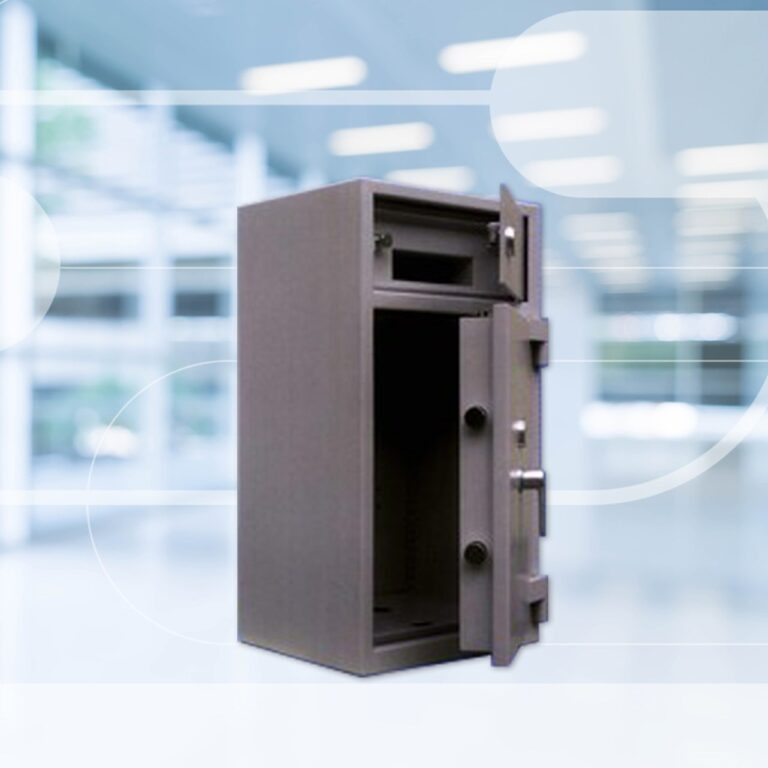
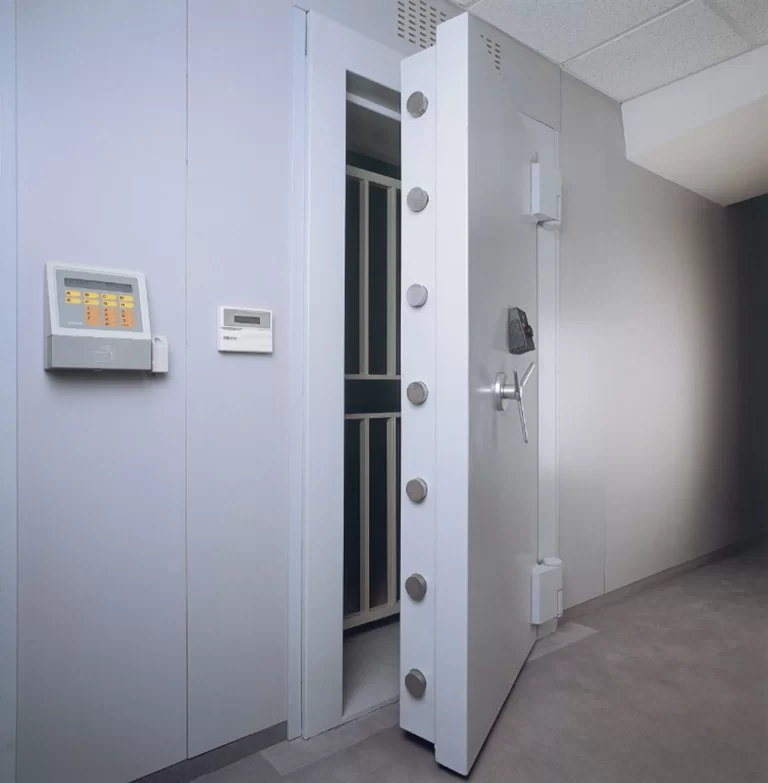
Security safes are designed to provide a secure storage solution for valuable items such as important documents, jewelry, and cash. They are typically made of robust materials such as steel and are equipped with advanced locking mechanisms to prevent unauthorized access.
In Lebanon, security safes are particularly important due to the country’s history of economic and political instability. By investing in a security safe, property owners can ensure that their valuables are protected from theft and damage.
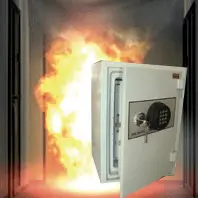
Moreover, security safes can also provide protection against fire and other environmental hazards. Many safes are designed to be fireproof, which means they can withstand high temperatures and keep their contents safe.
Choosing the Right Security Safe
With so many different types of security safes available on the market, it can be difficult to choose the right one for your needs. There are several factors to consider, including the size of the safe, the type of locking mechanism, and the level of fire protection.
For example, if you need to store large items such as documents or jewelry, you may want to consider a larger safe with a more advanced locking mechanism. On the other hand, if you only need to store small items such as cash or valuables, a smaller safe with a simpler locking mechanism may be sufficient.
It’s also important to consider the level of fire protection you need. If you live in an area prone to fires, you may want to consider a safe with a higher level of fire protection, such as a safe with a UL fire rating.
Safe Features
- ✓Size: consider the size of the items you need to store
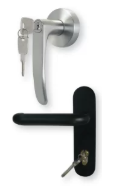
- ✓Locking mechanism: consider the type of locking mechanism you need, such as a combination lock or a digital lock
- ✓Fire protection: consider the level of fire protection you need, such as a UL fire rating
- ✓Material: consider the material the safe is made of, such as steel or composite materials
Common Mistakes to Avoid When Choosing a Security Safe
When choosing a security safe, there are several common mistakes to avoid. One of the most common mistakes is not considering the size of the items you need to store. If you choose a safe that is too small, you may not be able to fit all of your valuables inside.
Another common mistake is not considering the type of locking mechanism you need. If you choose a safe with a locking mechanism that is too simple, it may not provide adequate protection for your valuables.
A third common mistake is not considering the level of fire protection you need. If you choose a safe with inadequate fire protection, your valuables may be damaged or destroyed in the event of a fire.
Choosing a safe that is too small can lead to overcrowding, which can make it difficult to access your valuables. Additionally, a small safe may not provide adequate protection for your valuables, as it may be easier to break into or damage.
Choosing a safe with a simple locking mechanism can make it easier for thieves to break into your safe. A more advanced locking mechanism, such as a combination lock or a digital lock, can provide greater security for your valuables.
Choosing a safe with inadequate fire protection can put your valuables at risk of damage or destruction in the event of a fire. A safe with a UL fire rating can provide greater protection for your valuables, as it has been tested to withstand high temperatures.
Understanding Fire and Burglary Ratings
When choosing a security safe, it’s essential to consider the fire and burglary ratings. Fire ratings indicate the level of protection a safe provides against fire, while burglary ratings indicate the level of protection a safe provides against break-ins.
Fire ratings are typically measured in terms of the temperature a safe can withstand and the amount of time it can maintain a safe internal temperature. For example, a safe with a UL fire rating of 30 minutes can withstand temperatures of up to 1700°F for 30 minutes.
Burglary ratings, on the other hand, are typically measured in terms of the level of resistance a safe provides against break-ins. For example, a safe with a burglary rating of RSC can withstand basic tool attacks for 5 minutes.
Tips for Maintaining Your Security Safe
Once you’ve chosen a security safe, it’s essential to maintain it properly to ensure it continues to provide effective protection for your valuables. Here are a few tips to keep in mind:
First, make sure to keep your safe in a secure location, such as a basement or a secure room. This can help prevent thieves from accessing your safe and reduce the risk of damage from fires or floods.
Second, make sure to keep your safe clean and dry. Dust and moisture can damage your safe’s locking mechanism and reduce its effectiveness.
Third, make sure to test your safe’s locking mechanism regularly to ensure it’s working properly. This can help prevent unauthorized access to your valuables and reduce the risk of damage from fires or floods.
Regular Maintenance
Regular maintenance is essential to ensure your safe continues to provide effective protection for your valuables. Make sure to test your safe’s locking mechanism regularly and keep it clean and dry.
Secure Location
Keep your safe in a secure location, such as a basement or a secure room, to reduce the risk of unauthorized access and damage from fires or floods.
Keep Records
Keep records of your safe’s combination or digital lock code, as well as any other important information, such as the safe’s serial number and manufacturer.
Comparing Different Types of Locking Mechanisms
When choosing a security safe, one of the most important considerations is the type of locking mechanism. There are several different types of locking mechanisms available, each with its own advantages and disadvantages.
For example, combination locks are a popular choice for security safes, as they provide a high level of security and are relatively easy to use. However, they can be vulnerable to guessing attacks, and the combination may be forgotten or lost.
Digital locks, on the other hand, provide a high level of security and are relatively easy to use. They can be programmed with a digital code, and some models come with additional features such as biometric authentication.
Traditional Security
A combination lock provides a high level of security and is relatively easy to use. However, it can be vulnerable to guessing attacks, and the combination may be forgotten or lost.
Modern Convenience
A digital lock provides a high level of security and is relatively easy to use. It can be programmed with a digital code, and some models come with additional features such as biometric authentication.
Lock Mechanisms: A Comparison
When choosing a security safe, it’s essential to consider the lock mechanism. There are several different types of lock mechanisms available, each with its own advantages and disadvantages.
For example, mechanical dial locks are a popular choice for security safes, as they provide a high level of security and are relatively easy to use. However, they can be vulnerable to wear and tear, and the dial may be difficult to turn.
Electronic keypad locks, on the other hand, provide a high level of security and are relatively easy to use. They can be programmed with a digital code, and some models come with additional features such as biometric authentication.
Mechanical Dial
Electronic Keypad
Biometric Fingerprint
Product Features: A Comparison
When choosing a security safe, it’s essential to consider the product features. There are several different types of security safes available, each with its own unique features and benefits.
For example, some security safes come with advanced features such as biometric authentication, while others may have more basic features such as a combination lock.
Additionally, some security safes may be designed for specific purposes, such as storing firearms or valuable documents.
Basic Security Safe
- BuildSteel construction
- ProtectsValuables and important documents
- Best ForHome or office use
- WeaknessLimited features and security
Advanced Security Safe
- BuildReinforced steel construction
- ProtectsValuables, important documents, and sensitive information
- Best ForHigh-security applications, such as government or financial institutions
- WeaknessHigher cost and complexity
Debunking Common Myths About Security Safes
There are several common myths about security safes that can be misleading or inaccurate. For example, some people may believe that security safes are only for large businesses or government institutions, when in fact they can be beneficial for anyone who wants to protect their valuables.
Another common myth is that security safes are expensive and impractical, when in fact they can be a cost-effective solution for protecting valuable items.
It’s essential to separate fact from fiction when it comes to security safes, and to understand the benefits and limitations of these products.
This is a common misconception, as security safes can be beneficial for anyone who wants to protect their valuables, regardless of the size of their business or organization.
This is another common myth, as security safes can be a cost-effective solution for protecting valuable items. While they may require an initial investment, they can provide long-term benefits and peace of mind.
Buyer Recommendations
When choosing a security safe, it’s essential to consider your specific needs and requirements. Here are a few buyer recommendations to keep in mind:
For home use, a basic security safe with a combination lock or digital keypad may be sufficient. However, for high-security applications, such as government or financial institutions, an advanced security safe with biometric authentication and reinforced steel construction may be necessary.
Additionally, consider the size and weight of the safe, as well as any additional features you may need, such as a shelf or drawer.
A basic security safe with a combination lock or digital keypad is a good starting point for home users. Look for a safe with a steel construction and a size that fits your needs.
An advanced security safe with biometric authentication and reinforced steel construction is recommended for business users. Consider a safe with a larger size and additional features such as a shelf or drawer.
A high-security safe with advanced features such as biometric authentication and reinforced steel construction is necessary for high-security applications. Look for a safe with a large size and additional features such as a shelf or drawer.
Security Levels: Understanding the Options
When choosing a security safe, it’s essential to understand the different security levels available. There are several different types of security safes, each with its own unique features and benefits.
For example, a safe with a security level of RSC (Residential Security Container) is designed for basic residential use, while a safe with a security level of TL-15 (Tool-Resistant Safe) is designed for more advanced security applications.
Additionally, some security safes may have additional features such as fire protection or burglary resistance, which can provide an added layer of security.
Residential Security Container
A safe with a security level of RSC is designed for basic residential use, providing a basic level of protection against burglary and fire.
Tool-Resistant Safe
A safe with a security level of TL-15 is designed for more advanced security applications, providing a higher level of protection against burglary and fire.
Underwriters Laboratories
A safe with a security level of UL is designed to meet the standards of Underwriters Laboratories, providing a high level of protection against fire and burglary.
Protect Your Valuables with a Security Safe
In conclusion, security safes are an essential investment for any Lebanese property owner. They provide a secure storage solution for valuable items, protecting them from theft, fire, and other environmental hazards.
By considering the different types of security safes available, including their features, benefits, and limitations, you can make an informed decision about which safe is right for you.
Contact ZOD Safe & Lock today for a free consultation and site visit.
Frequently Asked Questions
The best type of security safe for home use depends on your specific needs and requirements. A basic security safe with a combination lock or digital keypad is a good starting point, but you may also want to consider a safe with additional features such as fire protection or burglary resistance.
To choose the right size of security safe for your needs, consider the size and weight of the items you want to store, as well as any additional features you may need, such as a shelf or drawer. You should also consider the space where the safe will be located and ensure that it fits comfortably.
A fireproof safe is designed to protect its contents from fire, while a burglary-resistant safe is designed to protect its contents from theft. Some safes may have both fireproof and burglary-resistant features, providing an added layer of security.
While it is possible to install a security safe yourself, it is recommended that you hire a professional to ensure that the safe is installed correctly and securely. A professional can also provide guidance on the best location for the safe and ensure that it is properly anchored to the floor or wall.
The warranty and maintenance requirements for a security safe vary depending on the manufacturer and model. It is essential to read and understand the warranty and maintenance requirements before purchasing a safe, and to follow the manufacturer’s instructions for maintenance and upkeep.