Safes In Lebanon
With over 50 years of experience in the security industry, it’s clear that safes play a vital role in protecting valuables in Lebanon.
As a property owner in Lebanon, it’s essential to consider investing in a safe to safeguard your valuable possessions, important documents, and sensitive information.
Understanding The Importance Of Safes
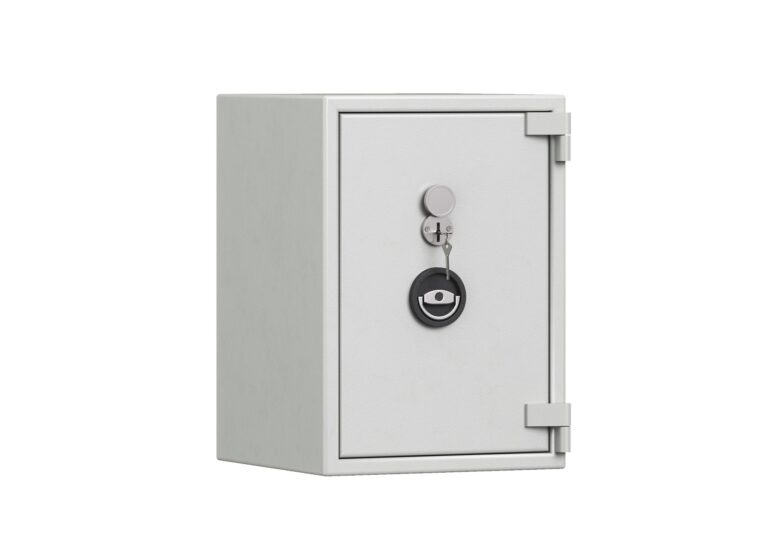
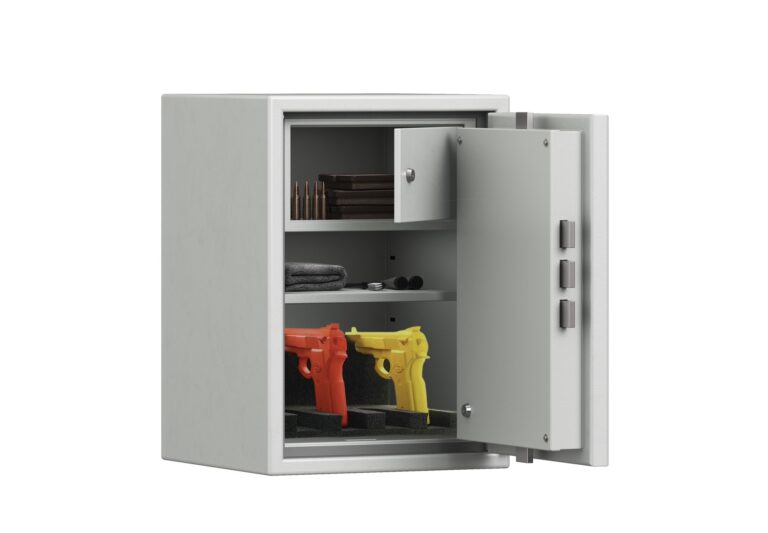
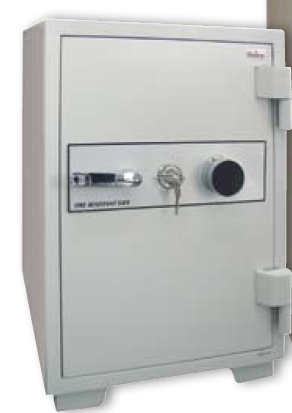
Safes are designed to provide a secure storage solution for valuable items, protecting them from theft, fire, and other potential threats.
In Lebanon, where the risk of theft and burglary is a concern, safes can provide an added layer of security and peace of mind for property owners.
Moreover, safes can also protect important documents and sensitive information from damage or loss, which is crucial for businesses and individuals alike.
Choosing The Right Safe For Your Needs
With various types of safes available in the market, it’s essential to choose the right one that meets your specific needs and requirements.
For instance, if you’re looking to protect valuable items from theft, an anti-theft safe would be a suitable option.
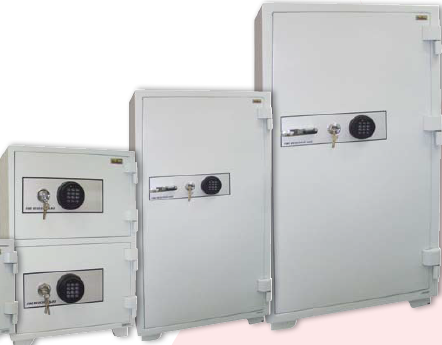
On the other hand, if you’re looking to protect important documents and sensitive information from fire, a fireproof safe would be a better choice.
Safe Types
- ✓Anti-theft safes for protecting valuables from theft
- ✓Fireproof safes for protecting documents and sensitive information from fire
- ✓Combination safes for providing both anti-theft and fireproof protection
Common Mistakes To Avoid When Buying A Safe
When buying a safe, there are several common mistakes to avoid, including not considering the size and capacity of the safe, not checking the safe’s security features, and not installing the safe properly.
These mistakes can compromise the safety and security of your valuables, and it’s essential to avoid them to ensure that your safe provides the best possible protection.
Moreover, it’s also important to consider the maintenance and upkeep of the safe, including regularly checking and updating the combination or lock, and ensuring that the safe is kept clean and dry.
This can lead to overcrowding, which can compromise the safety and security of your valuables. To avoid this, make sure to choose a safe that is large enough to hold all of your valuable items, and consider the size and weight of the safe when installing it.
This can leave your valuables vulnerable to theft or damage. To avoid this, make sure to check the safe’s security features, including the type of lock, the thickness of the steel, and the presence of any additional security features such as alarms or motion detectors.
Remember, a safe is only as secure as its weakest point, so make sure to choose a safe that meets your specific needs and requirements, and follow the manufacturer’s instructions for installation and maintenance.
Understanding Fire And Burglary Resistance
Fire and burglary resistance are two critical factors to consider when choosing a safe.
A fireproof safe is designed to protect its contents from damage caused by fire, and is typically rated according to its ability to withstand certain temperatures for a specified period of time.
A burglary-resistant safe, on the other hand, is designed to prevent unauthorized access to its contents, and is typically rated according to its ability to withstand certain types of attacks, such as drilling or prying.
Tips For Maintaining And Upkeeping Your Safe
Regular maintenance and upkeep are essential to ensure that your safe continues to provide the best possible protection for your valuables.
This includes regularly checking and updating the combination or lock, ensuring that the safe is kept clean and dry, and checking for any signs of wear or damage.
Additionally, it’s also important to consider the placement of the safe, and to ensure that it is installed in a secure and accessible location.
Regular Maintenance
Regularly check and update the combination or lock, and ensure that the safe is kept clean and dry. This will help to prevent any mechanical issues and ensure that the safe continues to provide the best possible protection for your valuables.
Keep A Record Of Your Combination Or Lock
Make sure to keep a record of your combination or lock, and store it in a secure location. This will help to prevent any issues if you forget your combination or lock, and will ensure that you can access your safe when you need to.
Comparing Different Types Of Safes
There are various types of safes available in the market, each with its own unique features and benefits.
For instance, a mechanical dial safe provides a high level of security and reliability, but can be slow to access.
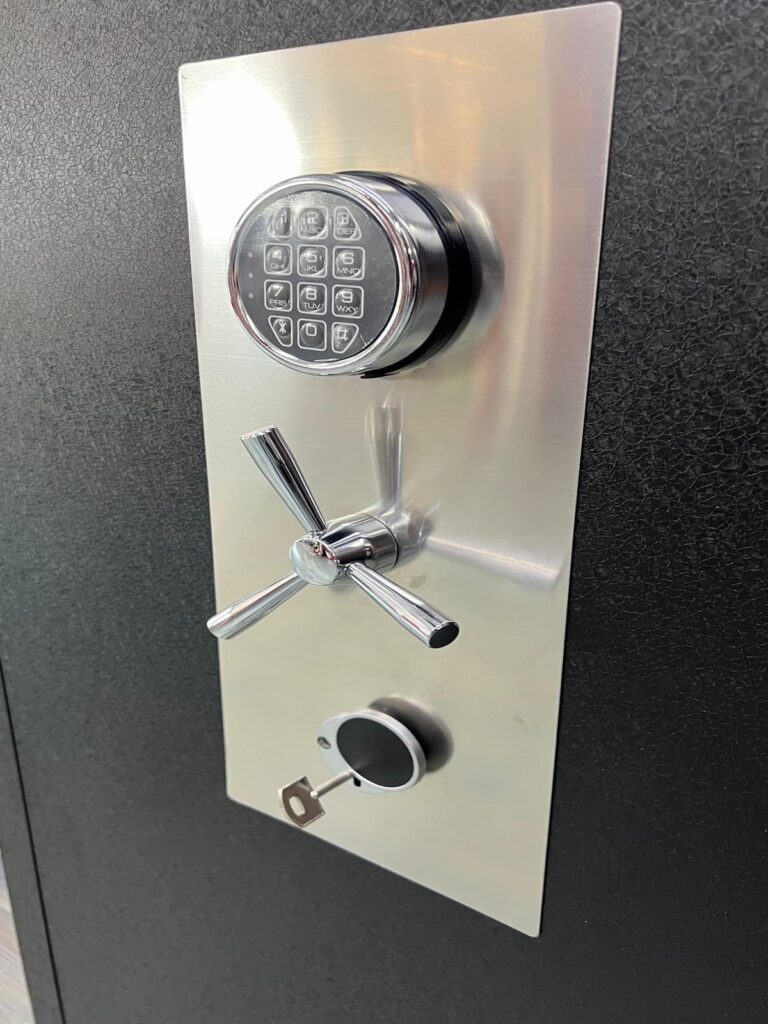
An electronic keypad safe, on the other hand, provides fast and convenient access, but may be more vulnerable to hacking or tampering.
High Security And Reliability
A mechanical dial safe provides a high level of security and reliability, making it an ideal choice for high-value items or sensitive information. However, it can be slow to access, and may require more maintenance than other types of safes.
Fast And Convenient Access
An electronic keypad safe provides fast and convenient access, making it an ideal choice for everyday use. However, it may be more vulnerable to hacking or tampering, and may require more frequent battery replacements.
Lock Mechanisms And Security Features
A safe’s lock mechanism and security features are critical factors to consider when choosing a safe.
A safe with a high-quality lock mechanism and advanced security features, such as alarms or motion detectors, can provide an added layer of protection and peace of mind.
For instance, a biometric fingerprint lock provides a high level of security and convenience, but may be more expensive than other types of locks.
Mechanical Dial
Electronic Keypad
Biometric Fingerprint
Product Features And Benefits
When choosing a safe, it’s essential to consider the product features and benefits that meet your specific needs and requirements.
For instance, a safe with a thick steel door and a robust locking mechanism can provide a high level of security and protection.
A safe with a fireproof lining and a heat-activated seal can provide additional protection against fire and heat damage.
Safe Model 1
- BuildThick steel door and robust locking mechanism
- ProtectsValuables from theft and burglary
- Best ForHigh-value items and sensitive information
- WeaknessMay be heavy and difficult to move
Safe Model 2
- BuildFireproof lining and heat-activated seal
- ProtectsDocuments and sensitive information from fire and heat damage
- Best ForImportant documents and sensitive information
- WeaknessMay be more expensive than other safes
Debunking Common Myths About Safes
There are several common myths and misconceptions about safes that can be misleading and confusing.
For instance, some people believe that all safes are created equal, and that any safe will provide the same level of protection and security.
However, this is not the case, and different safes have different features and benefits that make them more or less suitable for specific needs and requirements.
This is a common myth that can be misleading and confusing. In reality, different safes have different features and benefits that make them more or less suitable for specific needs and requirements. For instance, a safe with a thick steel door and a robust locking mechanism may provide a higher level of security and protection than a safe with a thinner door and a weaker locking mechanism.
This is another common myth that can be misleading and confusing. In reality, safes are for anyone who wants to protect their valuables and sensitive information from theft, burglary, and other potential threats. Whether you’re a business owner, a homeowner, or an individual, a safe can provide an added layer of security and peace of mind.
Buyer Recommendations And Guidelines
When buying a safe, it’s essential to consider several factors, including the type of safe, the size and capacity, the security features, and the price.
For instance, a business owner may require a safe with a high level of security and protection, such as a TL-30 safe or a vault door.
A homeowner, on the other hand, may require a safe with a smaller size and capacity, such as a wall-mounted safe or a floor-standing safe.
A TL-30 safe or a vault door can provide a high level of security and protection for businesses, making them ideal for storing valuable items and sensitive information.
A wall-mounted safe or a floor-standing safe can provide a smaller size and capacity for homeowners, making them ideal for storing valuable items and sensitive information in a residential setting.
Security Grades And Ratings
Security grades and ratings are critical factors to consider when choosing a safe.
A safe with a high security grade and rating, such as a TL-30 safe or a vault door, can provide a high level of protection and security.
For instance, a TL-30 safe is rated to withstand a 30-minute attack by a skilled thief using power tools, making it an ideal choice for high-value items and sensitive information.
Residential Security Container
This is a basic security rating that provides protection against simple attacks, making it ideal for residential use.
Tool-Resistant Safe
This is a mid-level security rating that provides protection against more sophisticated attacks, making it ideal for commercial use.
Protect Your Valuables With A Safe
In conclusion, safes are an essential investment for anyone who wants to protect their valuables and sensitive information from theft, burglary, and other potential threats.
By considering the type of safe, the size and capacity, the security features, and the price, you can choose a safe that meets your specific needs and requirements.
Contact ZOD Safe & Lock today for a free consultation and site visit.
Frequently Asked Questions
The best type of safe for home use depends on your specific needs and requirements. However, a wall-mounted safe or a floor-standing safe with a basic security rating, such as a RSC safe, can provide a good level of protection for residential use.
To choose the right size of safe for your needs, consider the amount of space you need to store your valuables and sensitive information. A larger safe may be more expensive, but it can provide more storage space and better protection.
A fireproof safe is designed to protect its contents from damage caused by fire, while a burglary-resistant safe is designed to prevent unauthorized access to its contents. Some safes may provide both fireproof and burglary-resistant protection, making them ideal for storing valuable items and sensitive information.
While it is possible to install a safe yourself, it is recommended to hire a professional to ensure that the safe is installed correctly and securely. A professional installer can also provide guidance on the best location for the safe and ensure that it is properly anchored to the floor or wall.
The warranty and maintenance requirements for a safe vary depending on the manufacturer and model. However, most safes come with a limited warranty and require regular maintenance, such as checking and updating the combination or lock, and ensuring that the safe is kept clean and dry.
Similar Posts
Safeboxes Installation Service In Lebanon
Safeboxes Installation Service In Lebanon With over 50 years of experience in the security industry, it’s no secret that safeboxes installation is a critical aspect of protecting valuable assets in Lebanon. As a property owner in Lebanon, it’s essential to consider the safety and security of your valuables, and a professional safeboxes installation service can…
Cash Boxes Lebanon Safety
Cash Boxes Lebanon Safety As a Lebanese property owner, you understand the importance of securing your valuables, especially cash. With over 350,000 clients served, it’s clear that security is a top priority for many. In today’s uncertain environment, it’s more crucial than ever to protect your assets from theft and fire. In this article, we’ll…
Door Locks Lebanon: Choosing The Right One
Door Locks Lebanon: Choosing The Right One With over 50 years of experience in the security industry, it’s clear that door locks play a crucial role in protecting Lebanese property owners from potential threats. Given the increasing concerns about security in Lebanon, choosing the right door lock has become more urgent than ever, as it…
Fire-resistant Safeboxes Lebanon
Fire-Resistant Safeboxes Lebanon With over 50 years of experience in the industry, it’s clear that fire-resistant safeboxes are a crucial investment for Lebanese property owners, given the country’s history of fires and burglaries. In recent years, Lebanon has seen a significant increase in fires and burglaries, making it essential for homeowners and businesses to take…
Cash Boxes Lebanon Safety
Cash Boxes Lebanon Safety With over 50 years of experience in providing security solutions, it’s clear that Lebanese property owners understand the value of protecting their assets. As a homeowner or business owner in Lebanon, you know how crucial it is to keep your cash and valuables safe from theft and damage, which is why…
Protecting Your Valuables With Safe Boxes In Lebanon
Safe Boxes Lebanon Protecting Your Valuables with Safe Boxes in Lebanon With over 50 years of experience in the security industry, it’s clear that safe boxes are a crucial investment for any homeowner or business in Lebanon. As the country continues to grow and develop, the need for secure storage solutions has never been more…